Is it better to purchase a furnished or unfurnished apartment in Herzliya City Centre for long-term rental yield for investors?
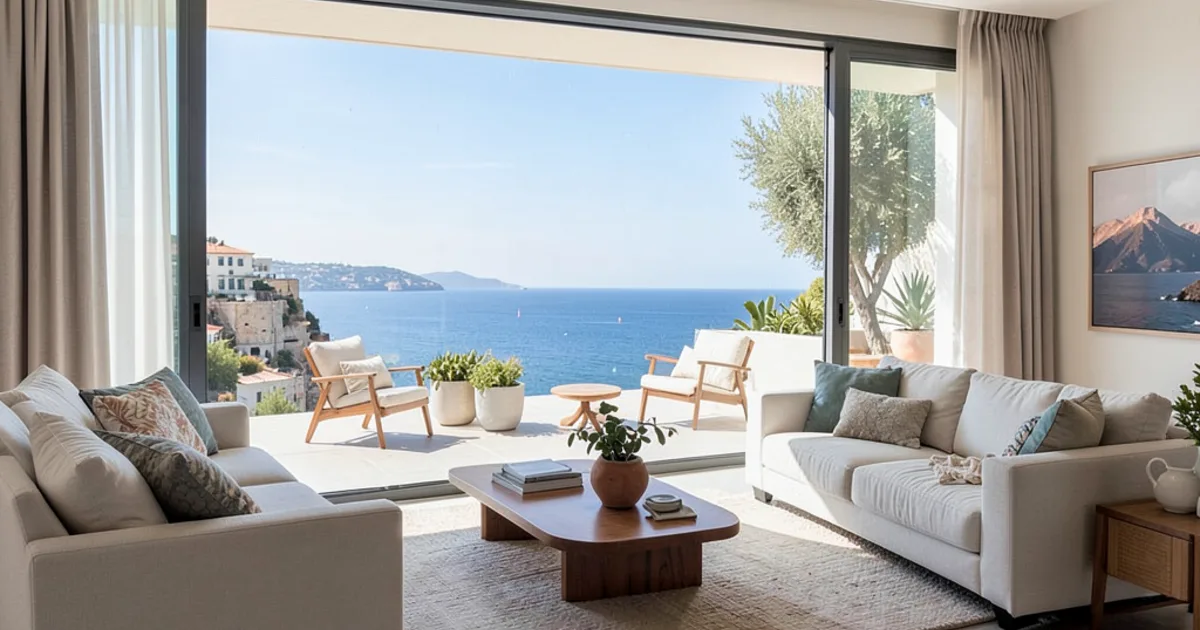
Herzliya, with its prestigious coastal allure and thriving economy, presents a compelling landscape for real estate investors. For those eyeing the City Centre, a hub of activity and desirability, a critical decision often arises: should one invest in a furnished or unfurnished apartment for long-term rental purposes? This choice is far from trivial, directly influencing tenant demographics, rental income potential, upfront costs, and ongoing management complexities. As expert advisers at HerzliyaRealEstate, we delve into the nuances of this pivotal investment consideration, offering a comprehensive analysis to help you optimize your rental yield in this sought-after Israeli locale.
- Understanding the Herzliya Rental Market Landscape: City Centre Dynamics
- The Appeal of Furnished Apartments: Higher Rents, Specific Niches
- The Case for Unfurnished Apartments: Broader Appeal, Lower Upfront Costs
- Initial Investment and Capital Outlay: A Direct Comparison
- Tenant Profile and Lease Duration: Matching Your Strategy
- Ongoing Costs, Maintenance, and Depreciation Considerations
- Vacancy Rates and Tenant Turnover: Impact on Net Yield
- Legal and Tax Implications in Israel: Mas Rekhisha, Mas Shevah, and Deductions
- Flexibility and Market Adaptability: A Strategic Advantage
- Property Management and Tenant Relations: Different Demands
- The Long-Term Perspective: Appreciation vs. Cash Flow
- Strategic Recommendations for Herzliya Investors
Understanding the Herzliya Rental Market Landscape: City Centre Dynamics
Herzliya's City Centre is a vibrant microcosm, attracting a diverse tenant base ranging from young professionals and families to international expatriates and those seeking proximity to amenities and employment hubs. The demand for rental properties here is consistently robust, driven by the city's strong economic growth, proximity to Tel Aviv, and high quality of life. This consistent demand, however, also fosters a competitive environment for landlords, making strategic decisions about property presentation paramount.
The City Centre's appeal stems from its accessibility to major transportation routes, shopping centers, cultural institutions, and educational facilities, including those catering to international students or families. Properties in this area often command premium rental rates compared to other parts of the city, though these rates can fluctuate based on building age, condition, and, critically, whether the apartment comes furnished or unfurnished. Understanding these underlying market forces is the first step in making an informed investment choice.
Specific sub-regions within the City Centre, and even adjacent areas like Nof Yam, might exhibit slightly different tenant preferences. For instance, areas closer to business districts might see a higher demand for fully equipped units from corporate relocations, while family-oriented neighborhoods might favor unfurnished options where tenants can personalize their living space. A granular understanding of these micro-markets is essential for tailoring your investment strategy effectively and maximizing your returns.
The Appeal of Furnished Apartments: Higher Rents, Specific Niches
Furnished apartments in Herzliya City Centre generally command higher monthly rental rates, a primary draw for many investors. This premium reflects the added value and convenience offered to tenants, who can move in without the significant hassle and expense of purchasing or transporting furniture. This can be particularly attractive to expatriates, corporate transferees, or individuals on temporary assignments who prefer a 'turnkey' solution.
Beyond the higher rent, furnished units often attract a specific tenant demographic: those seeking shorter-term commitments, or those who prioritize convenience over personalization. This includes individuals on sabbatical, foreign students attending local ulpans or universities, or business professionals on assignment. While the term 'long-term rental' typically implies a year or more, furnished apartments can sometimes bridge the gap between short-term holiday lets and traditional unfurnished leases, offering flexibility.
However, this appeal comes with its own set of considerations. The initial outlay for furnishing an apartment can be substantial, encompassing everything from major appliances and furniture to linens and kitchenware. Investors must factor in the cost of quality, durable items that will withstand tenant use, as well as the ongoing expense of maintenance, repairs, and eventual replacement of these items. The depreciation of furniture and appliances also needs to be accounted for in the overall investment analysis.
The Case for Unfurnished Apartments: Broader Appeal, Lower Upfront Costs
Unfurnished apartments in Herzliya City Centre typically appeal to a broader tenant base, particularly those seeking a more permanent residence or families looking to establish roots. These tenants often possess their own furniture and prefer the freedom to personalize their living space, making an unfurnished unit a more appealing and cost-effective option for them. This wider appeal can lead to a larger pool of potential renters, potentially reducing vacancy periods.
From an investor's perspective, the primary advantage of an unfurnished property lies in its significantly lower upfront costs. There's no need to spend a substantial sum on furniture, appliances (beyond essential built-ins like kitchen cabinets, perhaps a boiler, and air conditioning), or décor. This reduces the initial capital outlay, making the investment more accessible and potentially improving the immediate cash flow profile.
Furthermore, managing an unfurnished apartment generally involves fewer ongoing expenses and less frequent intervention related to property contents. Wear and tear on furniture, appliance breakdowns, and the need for periodic updates to décor are largely eliminated. While the rental yield per month might be slightly lower than a furnished counterpart, the reduced capital expenditure and ongoing maintenance can often translate to a comparable or even superior net return over the long term, especially when considering depreciation and replacement costs of furnishings.
Initial Investment and Capital Outlay: A Direct Comparison
The initial capital outlay for a furnished apartment is inherently higher than for an unfurnished one. Beyond the property's purchase price, which is subject to Israeli purchase tax (Mas Rekhisha) based on progressive tiers, a furnished unit requires a significant additional investment in furniture, appliances, and décor. This can range from tens of thousands to well over a hundred thousand Shekels, depending on the size and desired quality of the furnishings. This additional cost directly impacts your total investment and, consequently, your return on investment calculations.
For an unfurnished apartment, the primary upfront costs revolve around the property acquisition itself, including the purchase tax, legal fees, agent commissions, and any necessary renovations or upgrades to the property's structure or built-in elements. While these costs can still be substantial, they typically do not include the recurring expense of furnishing or replacing items, thus presenting a lower barrier to entry for investors with more constrained initial capital.
It's crucial to factor these differential initial costs into your financial modeling. A higher initial investment in furnishings means that the 'extra' rental income generated by a furnished unit must not only cover the depreciation of these items but also provide a satisfactory return on that additional capital. Investors might also consider how this impacts potential mortgage (Mashkanta) financing, as furnishing costs are generally not covered by property mortgages and would require separate funding.
Tenant Profile and Lease Duration: Matching Your Strategy
The choice between furnished and unfurnished significantly shapes the tenant profile you'll attract. Furnished apartments in Herzliya City Centre often appeal to a more transient demographic, such as diplomatic staff, corporate executives on short-term contracts, or international students. These tenants typically seek convenience and are less concerned with long-term personalization, often preferring leases ranging from six months to two years, sometimes with renewal options.
Conversely, unfurnished apartments tend to attract tenants looking for stability and a longer-term commitment. This includes local families, couples, or individuals who plan to stay in Herzliya for several years and wish to bring their own belongings. These tenants are often more invested in the property's upkeep and are more likely to sign multi-year leases, leading to lower tenant turnover and reduced vacancy costs for the investor.
Understanding your preferred tenant profile and desired lease duration is key to optimizing your rental strategy. If you're aiming for consistent, long-term occupancy with minimal turnover, an unfurnished unit might be more suitable. If you're comfortable with potentially higher turnover but higher per-month rental rates from a specific niche market, a furnished unit could be more aligned with your goals. Each approach has its own benefits and drawbacks regarding rental yield stability and management effort.
Ongoing Costs, Maintenance, and Depreciation Considerations
The ongoing costs associated with a furnished apartment are generally higher and more varied than those of an unfurnished one. Beyond the standard property taxes (Arnona), building maintenance fees (Va'ad Bayit), and insurance, furnished units incur expenses related to the wear and tear of furniture, appliances, and household items. This includes repair costs, periodic replacement of worn-out items, and professional cleaning between tenants, all of which eat into the net rental yield.
Depreciation is another critical factor for furnished properties. Furniture and appliances lose value over time, and this depreciation needs to be accounted for in your financial projections. While some of these costs might be tax-deductible under Israeli tax law (consult a local tax advisor), they represent a real reduction in the asset's value and require future capital expenditure to maintain the property's appeal. An unfurnished unit, by contrast, largely shifts the burden of furnishing and its associated depreciation to the tenant.
For unfurnished apartments, ongoing costs are primarily limited to structural maintenance, essential built-in appliances (like air conditioning units or water heaters), and property taxes. While these still require budgeting, they are typically more predictable and less frequent than the expenses associated with maintaining a full suite of furnishings. This simpler maintenance profile can lead to a more stable and predictable cash flow for investors.
Vacancy Rates and Tenant Turnover: Impact on Net Yield
Vacancy periods represent lost income and are a significant drag on rental yield. The type of apartment, furnished or unfurnished, can influence how quickly a unit is rented and the frequency of tenant turnover. Furnished apartments, while potentially attracting a higher rental rate, can sometimes experience higher turnover due to their appeal to more transient populations or those with specific, often shorter-term, needs. Each tenant change incurs costs for cleaning, minor repairs, and potential re-marketing.
Unfurnished apartments, by attracting tenants seeking longer-term stability, often benefit from lower turnover rates. A tenant who invests in moving their own furniture and personalizing the space is generally less likely to move frequently. This stability translates into fewer vacant months, more consistent rental income, and reduced administrative burdens associated with finding and vetting new tenants. The cumulative effect of sustained occupancy can significantly boost the overall net rental yield over time.
However, market conditions play a crucial role. In periods of high demand for furnished units, vacancies might be minimal even with higher turnover. Conversely, if the market for unfurnished units is saturated, even a broad appeal might not guarantee immediate occupancy. It's essential to monitor local rental trends in Herzliya City Centre and adapt your strategy accordingly, perhaps by offering flexibility in furnishing, to minimize vacancy periods.
Legal and Tax Implications in Israel: Mas Rekhisha, Mas Shevah, and Deductions
Investing in Israeli real estate involves specific legal and tax considerations that impact your net rental yield. When purchasing a property, investors are subject to Mas Rekhisha (purchase tax), which is a progressive tax rate based on the property's value and whether it's your only residential property. This initial cost is the same for both furnished and unfurnished units. However, the subsequent tax implications for rental income and potential capital gains differ.
Regarding rental income, investors can often deduct certain expenses from their taxable rental income, such as mortgage interest (Mashkanta), property management fees, Arnona, Va'ad Bayit, and maintenance costs. For furnished apartments, the depreciation of furniture and appliances can also be a deductible expense, which can partially offset the higher initial investment. It is crucial to maintain meticulous records and consult with a qualified Israeli tax advisor to maximize these deductions.
When it comes to selling the property, Mas Shevah (capital gains tax) will apply to any profit made. While the state of furnishing doesn't directly alter the capital gains calculation on the property's value, the ability to deduct expenses incurred during ownership, including potentially some furnishing costs, can influence the net taxable gain. Understanding these tax nuances, particularly for non-resident investors, is paramount for accurate financial projections and optimizing long-term returns. The 'binding memorandum' (Zichron Devarim) and subsequent sales contract should clearly outline all property inclusions.
Flexibility and Market Adaptability: A Strategic Advantage
The ability to adapt to changing market conditions offers a significant strategic advantage for investors. While an unfurnished apartment offers inherent flexibility, the option to furnish it later if market demand shifts, a fully furnished apartment is less adaptable. Converting an unfurnished unit to furnished is a matter of investment; converting a furnished unit back to unfurnished involves the cost and logistical challenge of removing and storing or selling furniture.
Consider future market trends in Herzliya City Centre. If, for instance, there's an anticipated influx of international students or corporate relocations, the demand for furnished units might surge. An investor with an unfurnished property could then choose to furnish it to capitalize on this demand. Conversely, if the market shifts towards local families seeking long-term stability, an unfurnished unit is already perfectly positioned.
This inherent flexibility of an unfurnished property can be a powerful tool for long-term investors. It allows for a responsive strategy, enabling you to pivot your offering based on evolving tenant preferences and economic cycles, ultimately contributing to more robust and sustained rental yields over the investment horizon. The initial lower investment also provides more capital liquidity for such future adaptations.
Property Management and Tenant Relations: Different Demands
Managing a furnished apartment typically demands a more hands-on approach from the landlord or property manager. There's a greater inventory of items to track, maintain, and potentially replace. Disputes over wear and tear are more common, requiring detailed inventory lists and thorough inspection reports at the beginning and end of each tenancy. This increased administrative burden and potential for conflict can add to management costs and reduce net yield.
For unfurnished apartments, property management is generally simpler. The focus shifts to the structural integrity of the property, essential built-in appliances, and ensuring the tenant adheres to lease terms regarding property upkeep. While tenant relations are always important, the scope of potential disputes related to property contents is significantly narrower, leading to a smoother management experience.
When considering property management fees, which are often a percentage of the monthly rent, a higher rent from a furnished unit might mean a higher management fee in absolute terms. However, if the management company charges extra for inventory checks, furniture repairs, or coordinating replacements, the overall cost burden can be disproportionately higher for furnished units. Investors should factor these potential differences into their financial projections when deciding whether to manage themselves or engage a professional service.
The Long-Term Perspective: Appreciation vs. Cash Flow
Investors often weigh capital appreciation against immediate cash flow. In Herzliya City Centre, property values have historically shown robust appreciation, driven by strong demand and limited supply. This long-term appreciation is largely independent of whether a unit is furnished or unfurnished, as it relates to the underlying real estate asset itself, recorded in the Tabu (land registry).
However, the choice of furnishing directly impacts the cash flow derived from rental income. Furnished units, with their potentially higher rents, might offer a stronger immediate cash flow, but this can be offset by higher ongoing expenses and depreciation of contents. Unfurnished units, while potentially generating slightly lower monthly rent, often have lower overheads, leading to a more consistent and predictable net cash flow, especially when considering reduced turnover.
For investors prioritizing long-term wealth accumulation through property appreciation, the lower initial capital outlay and simpler management of an unfurnished unit might be more appealing, allowing for capital to be deployed elsewhere or for a quicker return on the core property investment. Ultimately, the optimal choice aligns with your personal investment goals, risk tolerance, and desired level of involvement in property management.
Strategic Recommendations for Herzliya Investors
For investors targeting long-term rental yield in Herzliya City Centre, a nuanced approach is essential. While furnished apartments can offer higher per-month rental income, the increased upfront costs, higher ongoing maintenance, accelerated depreciation of contents, and potential for higher tenant turnover can erode the net yield over the long haul. These factors must be meticulously calculated and weighed against the perceived benefits.
Conversely, unfurnished apartments, despite potentially lower headline rents, often offer a more stable, predictable, and ultimately, a more profitable long-term investment. They attract a broader and more stable tenant base, incur significantly lower ongoing content-related expenses, and provide greater flexibility to adapt to future market shifts without substantial additional investment. The lower initial capital outlay also allows for a potentially quicker return on the core property asset.
Our expert advice leans towards a preference for unfurnished apartments for the majority of long-term rental investors in Herzliya City Centre. This strategy typically provides a more robust and resilient rental yield, minimizes management complexities, and aligns well with the long-term appreciation potential of Herzliya real estate. However, for investors specifically targeting niche markets like corporate relocations or short-term professional stays, a high-quality furnished unit can still be a viable, albeit more intensive, option.
FAQ
What essential appliances should even an 'unfurnished' apartment in Herzliya include?
An 'unfurnished' apartment in Herzliya should typically include basic built-in kitchen cabinets, a sink, and often a water heater (boiler). Air conditioning units are also considered standard and essential for tenant comfort in Israel's climate.
How does 'Arnona' (municipal tax) affect rental yield for landlords in Herzliya?
Arnona is a municipal property tax paid by either the landlord or tenant, depending on the lease agreement. While it's an ongoing expense, it's often passed to the tenant in long-term leases, but landlords must account for it during vacant periods or if they cover it, directly impacting net rental yield.
Can I get a Mashkanta (mortgage) to cover furnishing costs for my Herzliya investment property?
No, a Mashkanta (mortgage) in Israel is typically secured against the real property itself and does not cover the cost of furnishings or movable contents. You would need separate financing or equity to cover these additional expenses.
What is the significance of the 'Tabu' (Land Registry) for Herzliya real estate investors?
The Tabu is the official Israeli land registry, akin to a title deed. It provides definitive proof of property ownership and any associated encumbrances. For investors, ensuring the property is correctly registered in the Tabu is a critical step for legal ownership and future transactions, regardless of whether the property is furnished or unfurnished.
Get your personalised shortlist
Listings and up-to-date info, straight to your inbox, free, no obligation.
See Herzliya homes →