Property management in herzliya
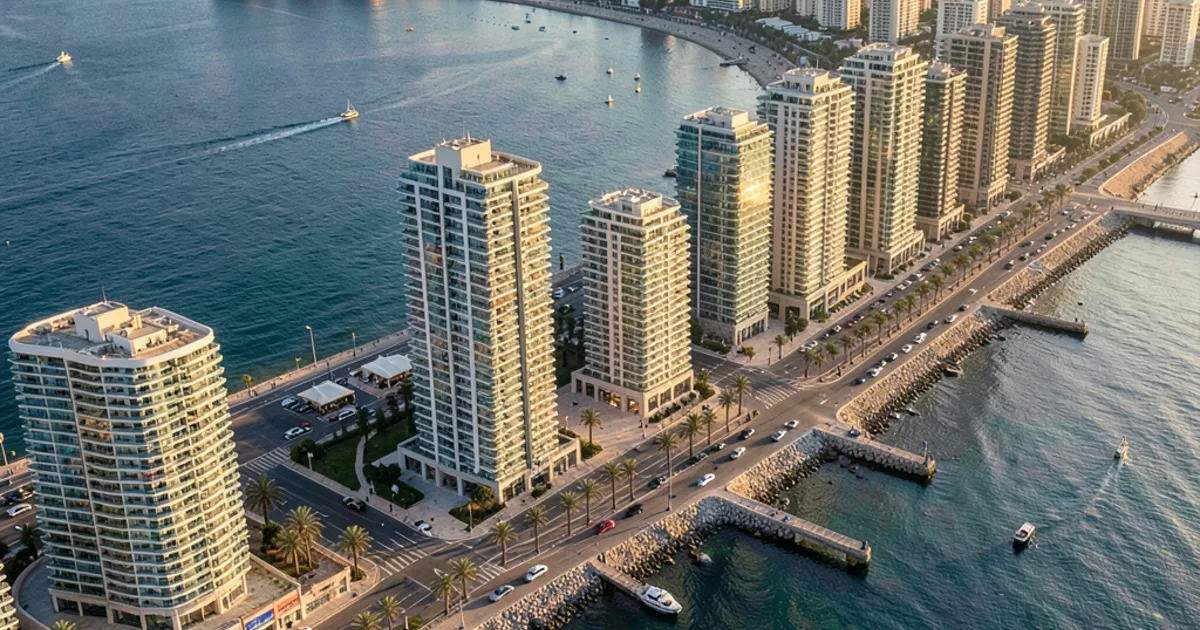
Managing real estate in Herzliya presents a unique set of opportunities and challenges, particularly for those overseeing high-end coastal assets. Whether you own a luxury villa in Nof Yam or a commercial space in Herzliya Pituach, the requirements for effective oversight go far beyond simple rent collection. This guide explores the intricate layers of property management within this prestigious Israeli enclave, from navigating the Tabu land registry to mitigating the effects of a Mediterranean climate. Understanding these nuances is essential for preserving asset value and ensuring seamless operations in one of the region's most sought-after markets.
- The Diverse Real Estate Landscape of Herzliya
- Navigating Legal Ownership and the Tabu Registry
- Understanding Tax Obligations: Mas Rekhisha and Mas Shevah
- Managing Recurring Costs and Financial Compliance
- The Impact of Coastal Environments on Property Maintenance
- Tenant Selection and the Israeli Rental Market
- Short-Term vs. Long-Term Management Dynamics
- Mitigating Risks through Professional Oversight
- Coordinating with Local Institutions and Professionals
- Overcoming Language and Bureaucratic Challenges
The Diverse Real Estate Landscape of Herzliya
Herzliya is not a monolithic market; rather, it is a collection of distinct micro-markets, each requiring a tailored management approach. The area known as Herzliya Pituach serves as a premier business and high-end residential hub, where management often involves a blend of commercial lease oversight and luxury residential care. The demands here are high, as tenants often expect seamless service and impeccable facility standards. Understanding the specific rhythm of this district is the first step in any successful management strategy.
In contrast, the Nof Yam area offers a lifestyle centered around the coastline, characterized by premium beachfront properties and high-value villas. Management in this sector focuses heavily on the preservation of luxury amenities and the mitigation of environmental factors. The expectations of residents in Nof Yam are exceptionally high, often requiring concierge-level responsiveness. A manager here must be adept at handling high-stakes maintenance and high-net-worth tenant relations.
Finally, the Herzliya city center provides a more urban, high-density environment with a mix of residential apartments and local retail. This area experiences high turnover and constant demand for rental units, making efficient tenant placement and rapid maintenance response critical. The management style here is more transactional and volume-oriented compared to the bespoke services required in Pituach or Nof Yam. Recognizing these distinctions allows an owner to allocate resources effectively across their portfolio.
- Herzliya Pituach: High-tech hub and luxury residential mix.
- Nof Yam: Coastal prestige and high-end villa management.
- City Centre: Urban density and high rental demand.
Navigating Legal Ownership and the Tabu Registry
Before any management agreement is signed, it is imperative to verify the legal standing of the property through the Tabu land registry. The Tabu is the official authority in Israel that records ownership and encumbrances on real estate. A professional manager must ensure that the person granting management authority is the legitimate owner recorded in the registry. This step prevents legal disputes and ensures that all management contracts are enforceable under Israeli law.
The process of acquiring or transitioning property management often involves complex documentation, such as the binding memorandum. This document serves as the preliminary agreement that outlines the essential terms before the final, formal contract is executed. A manager must be aware of the details within these documents to understand the rights and obligations of the owner. Misunderstanding the nuances of the memorandum can lead to significant administrative errors during the management lifecycle.
Furthermore, the role of a notary is frequently central to the formalization of management powers and identity verification. In Israel, many legal actions regarding property require notarized signatures to be recognized by banks and government institutions. A competent management service will work closely with legal professionals to ensure that all powers of attorney are correctly filed and updated. This legal rigor protects both the owner and the manager from claims of unauthorized representation.
Understanding Tax Obligations: Mas Rekhisha and Mas Shevah
Property management in Herzliya cannot be divorced from the complex Israeli tax system. For investors, understanding Mas Rekhisha, or purchase tax, is vital during the acquisition phase. This tax is calculated based on the property value and the buyer's status, and it significantly impacts the initial capital outlay. A manager must be aware of these costs to provide accurate financial forecasting and to ensure that the property's budget accounts for all initial tax-related liabilities.
When it comes to the eventual sale or certain types of property transfers, Mas Shevah, or capital gains tax, becomes a critical factor. This tax is levied on the profit made from the sale of real estate and can be a substantial amount in a high-value market like Herzliya. Effective management involves maintaining meticulous records of all improvements and expenses, as these can sometimes be used to offset the taxable gain. Proper documentation is the best defense against unexpected tax burdens during an exit strategy.
In addition to these major taxes, the manager must also handle the ongoing municipal tax known as Arnona. Arnona is a recurring expense levied by the Herzliya municipality and is calculated based on the property's size, usage, and location. Ensuring that Arnona is paid promptly is essential to avoid penalties and to maintain the property's standing with local authorities. A manager's ability to reconcile Arnona bills with tenant lease agreements is a core component of financial oversight.
- Mas Rekhisha: Purchase tax applied at the time of acquisition.
- Mas Shevah: Capital gains tax applied upon the sale of the asset.
- Arnona: Ongoing municipal tax based on property characteristics.
Managing Recurring Costs and Financial Compliance
Beyond taxes, the day-to-day financial management of a Herzliya property involves coordinating various utility and service payments. This includes water, electricity, and often specialized services like gas or communal maintenance fees in larger buildings. A manager must ensure that these accounts are correctly transferred to the tenant's name at the start of a lease to prevent the owner from bearing unnecessary costs. Failure to manage these transitions can lead to service interruptions and legal friction.
For properties that are under a Mashkanta, or mortgage, management requires an extra layer of financial diligence. The lending institution may have specific requirements regarding the property's upkeep and the nature of its occupancy. A manager must ensure that the property remains in a condition that satisfies the bank's collateral requirements. Any significant changes to the property's use or status should be communicated clearly to avoid breaching the terms of the mortgage agreement.
Financial transparency is the cornerstone of a professional relationship between an owner and a manager. This involves providing regular, detailed reports that account for all income and expenditures, including maintenance costs and tax provisions. In a market as valuable as Herzliya, even small discrepancies can lead to significant issues over time. A structured approach to bookkeeping ensures that the owner can make informed decisions regarding their investment.
The Impact of Coastal Environments on Property Maintenance
The proximity to the Mediterranean Sea in areas like Nof Yam introduces specific environmental challenges that require specialized management. The salt-laden air is highly corrosive and can cause rapid deterioration of metal fixtures, window frames, and exterior cladding. A proactive management strategy must include frequent inspections and the use of marine-grade materials for any repairs or upgrades. Ignoring these environmental factors can lead to a swift decline in the property's aesthetic and structural integrity.
Humidity is another significant factor that affects luxury properties in Herzliya. High humidity levels can lead to issues with mold growth, dampness in walls, and the malfunction of air conditioning systems. A manager must ensure that HVAC systems are serviced regularly and that the property's ventilation is optimized to mitigate these risks. This is particularly important in high-end homes where climate control is a fundamental expectation of the residents.
Maintenance of outdoor amenities, such as swimming pools and landscaped gardens, is also a critical component of coastal property management. The combination of sun, salt, and wind requires constant attention to keep these features in premium condition. A manager should have a roster of reliable, specialized contractors who understand the unique needs of coastal landscaping and pool chemistry. Maintaining these amenities is not just about aesthetics; it is about preserving the property's market value.
- Corrosion control for salt-air exposure.
- Humidity management and HVAC optimization.
- Specialized upkeep for pools and coastal landscaping.
Tenant Selection and the Israeli Rental Market
In the competitive Herzliya rental market, the selection process for tenants must be rigorous and thorough. A manager's primary goal is to find occupants who are not only financially stable but also respectful of the property and the local community. This involves verifying income, checking references, and understanding the tenant's intended length of stay. In high-end areas, the vetting process may also include a more detailed look at professional standing and lifestyle compatibility.
Securing payment is often managed through various forms of guarantees, which is a standard practice in Israel. These can range from bank guarantees to post-dated checks, though the legal landscape regarding these instruments is constantly evolving. A manager must ensure that the chosen method of guarantee is legally sound and provides sufficient protection for the owner. Understanding the local customs and legal requirements for these guarantees is essential to avoid being left vulnerable in the event of a default.
Once a tenant is placed, the management of the relationship is just as important as the initial selection. This includes handling routine requests, resolving disputes, and ensuring that the terms of the lease are being honored. A professional manager acts as a buffer between the owner and the tenant, resolving issues objectively and efficiently. This approach minimizes friction and helps to maintain a stable, long-term tenancy, which is often more profitable than frequent turnover.
Short-Term vs. Long-Term Management Dynamics
Property owners in Herzliya often face a strategic choice between long-term residential leases and short-term, vacation-style rentals. Long-term management is generally more stable, focusing on lease compliance, annual maintenance, and steady cash flow. The primary objective is to minimize vacancy and ensure that the tenant remains in good standing over many months or years. This model is often preferred by those seeking low-intensity, predictable investment returns.
Short-term management, often seen in the beachfront areas, is significantly more operationally intensive. It requires constant coordination of guest check-ins, cleaning services, and rapid-response maintenance for various issues that may arise. The revenue potential can be higher, but it comes with much greater volatility and higher overhead costs. A manager specializing in this area must be highly responsive and capable of managing high-frequency turnover.
The choice between these two models should be dictated by the property's location, the owner's risk tolerance, and their desired involvement. A manager can often provide expertise in both, but the skill sets required are quite different. An owner should seek a partner who demonstrates a deep understanding of the specific operational requirements of their chosen model, whether that involves the stability of an annual lease or the dynamism of a short-term rental.
Mitigating Risks through Professional Oversight
One of the most critical functions of a property manager is the mitigation of legal and financial risks. This includes ensuring that the property is adequately insured against various perils, including fire, theft, and third-party liability. In a luxury market like Herzliya, the cost of damages can be substantial, making comprehensive insurance coverage a non-negotiable requirement. A manager should regularly review insurance policies to ensure they remain appropriate for the property's current state and use.
Compliance with local municipal regulations and building codes is another area where professional oversight is vital. Whether it is managing renovations or ensuring that the property adheres to specific zoning laws in Pituach, a manager must stay informed of local requirements. Non-compliance can lead to heavy fines from the municipality or even legal action that could jeopardize the owner's investment. A manager acts as a safeguard, ensuring all activities are conducted within the bounds of the law.
Finally, a manager helps to mitigate the risk of tenant-related disputes through clear, well-drafted lease agreements. These documents should explicitly outline the responsibilities of both the landlord and the tenant regarding maintenance, repairs, and conduct. By establishing clear expectations from the outset, a manager can resolve many potential conflicts before they escalate into costly legal battles. This proactive approach to risk management is what distinguishes professional services from amateur oversight.
Coordinating with Local Institutions and Professionals
Effective property management in Herzliya requires a strong network of local professional connections. A manager must be able to seamlessly interface with public institutions like the Tabu land registry and the local municipality. This might involve resolving issues with property registration, managing permits for repairs, or clarifying matters related to Arnona. Having a proven track record of navigating these bureaucratic channels is a significant advantage.
In addition to public institutions, a manager must coordinate with a variety of private professionals, including lawyers, accountants, and specialized contractors. When a legal issue arises regarding a lease or a title, the manager should be able to work alongside a lawyer to find a resolution. When a major repair is needed, they must have access to high-quality contractors who can deliver results that meet the standards of the Herzliya market. This ability to act as a central coordinator is a key value proposition.
The ability to communicate effectively with these diverse groups is essential. This often requires a level of local knowledge that goes beyond basic language skills, including an understanding of how local businesses and government offices operate. For international owners, a manager who can bridge this gap, effectively acting as a local representative, is indispensable. This coordination ensures that the property is managed as a cohesive unit rather than a series of disconnected tasks.
Overcoming Language and Bureaucratic Challenges
For many owners, especially those living abroad, the primary challenge in managing Israeli real estate is the language and bureaucratic barrier. Even with a basic understanding of Hebrew, often acquired through intensive study or ulpan, the technical and legal terminology used in official documents can be daunting. Professional managers provide a vital service by interpreting these complexities and ensuring that nothing is lost in translation. They act as the eyes and ears of the owner in a market that operates very differently from many Western systems.
The bureaucracy in Israel can be characterized by its specific procedures and the necessity of personal follow-up. Many tasks that might be handled online in other countries often require physical presence or specific, multi-step processes in local offices. A manager who understands these nuances can navigate the system much more efficiently, preventing delays that could impact the property's income or maintenance schedule. This local expertise is often the difference between a smooth operation and a frustrating one.
Ultimately, successful management in Herzliya is about bridging the gap between the owner's expectations and the local reality. This requires a blend of cultural intelligence, legal knowledge, and operational skill. By delegating these complexities to a professional, owners can enjoy the benefits of their investment without being overwhelmed by the intricacies of the Israeli real estate landscape. A trusted manager transforms a complex, distant asset into a well-performing, manageable part of a global portfolio.
FAQ
What is the importance of the Tabu in property management?
The Tabu is the official Israeli land registry that confirms legal ownership and any existing encumbrances. A manager must verify the Tabu to ensure they are working with the legitimate owner and to understand the property's legal status.
Get your personalised shortlist
Listings and up-to-date info, straight to your inbox, free, no obligation.
See Herzliya homes →