Sustainable Architecture in Israeli Coastal Real Estate
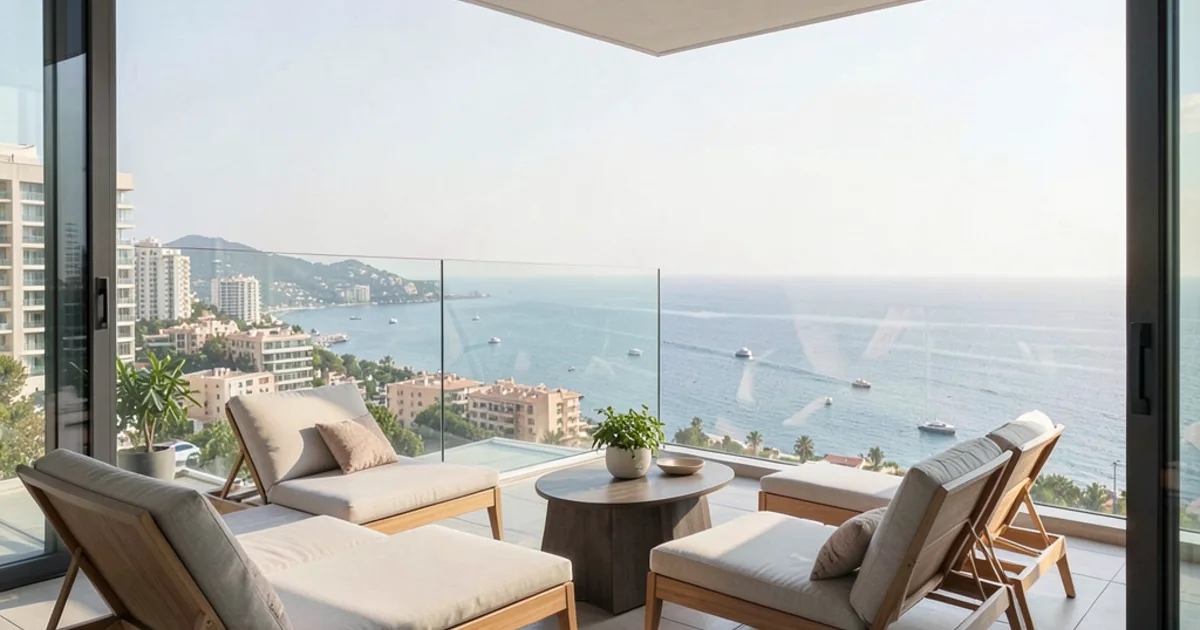
The intersection of luxury and ecological responsibility is defining a new era of premium living along the Israeli coast. In prestigious areas like Herzliya Pituach and Nof Yam, sustainable architecture has moved from a niche trend to a core requirement for discerning investors. This shift is driven by both environmental necessity and the increasing demand for resilient, high-performance assets. Understanding these architectural nuances is essential for anyone navigating the sophisticated coastal real estate market.
- What defines sustainable architecture in the Israeli coastal context?
- How does coastal ecology influence architectural design in Herzliya?
- What are the core sustainable technologies used in modern Israeli luxury residences?
- Navigating the legal and regulatory framework for green buildings in Israel.
- The impact of sustainable design on long-term property value and Mas Shevah.
- Assessing energy efficiency during the Mas Rekhisha process.
- Water management and sustainability in coastal high-rises and villas.
- Materiality and durability: Fighting the corrosive Mediterranean environment.
- Financing green real estate: Mashkanta and sustainability.
- Integrating indoor-outdoor living with ecological sensitivity.
- The role of smart home technology in resource conservation.
- Future trends in Israeli coastal urban development.
What defines sustainable architecture in the Israeli coastal context?
Sustainable architecture in the Israeli coastal region is fundamentally defined by its ability to harmonize with the Mediterranean climate. Unlike temperate climates, the coastal strip faces a unique combination of high humidity, intense solar radiation, and salt-heavy air. A sustainable design must address these elements to ensure that the building remains energy-efficient without sacrificing occupant comfort. This requires a departure from standard construction methods toward more specialized, climate-responsive engineering.
At its core, sustainability in this context means reducing the environmental footprint while maximizing the longevity of the structure. This involves minimizing energy consumption for cooling, optimizing natural light to reduce reliance on artificial lighting, and managing water resources effectively. In the high-end markets of Herzliya, this often manifests as 'passive design', using the building's orientation and thermal mass to regulate temperature naturally. Such approaches reduce the long-term operational costs that can otherwise erode an investment's yield.
Furthermore, true sustainability must account for the local ecosystem and the specific challenges of the shoreline. This includes managing the impact of sea breezes and ensuring that the building does not disrupt local biodiversity or coastal stability. Architects are increasingly looking at how a structure interacts with the surrounding landscape, moving away from isolated monoliths toward integrated living environments. This holistic view is what separates a truly green building from one that merely uses eco-friendly gadgets.
Ultimately, the goal is to create a residence that is both ecologically sensitive and economically resilient. As energy costs and environmental regulations evolve, buildings that incorporate these principles will naturally command a premium. For the buyer, this means a property that is better prepared for the future of the Mediterranean climate. Investing in sustainable architecture is, therefore, a strategy for long-term value preservation in an ever-changing environment.
- Passive solar design and thermal regulation
- Climate-responsive ventilation systems
- Integration of local Mediterranean flora
- Resilience against salt-air corrosion
How does coastal ecology influence architectural design in Herzliya?
The geography of Herzliya, from the bustling city center to the tranquil shores of Nof Yam, dictates specific architectural responses. The presence of the sea introduces a constant variable: the wind. Architects must design buildings that harness refreshing sea breezes for natural ventilation while protecting the interior from the abrasive, salt-laden gusts. This balance is achieved through strategic window placement, the use of wind baffles, and the creation of protected courtyard spaces.
Solar orientation is another critical factor that dictates the layout of luxury villas and high-rise apartments alike. In the Israeli sun, the goal is to capture natural light to enhance the sense of space and well-being without allowing excessive heat gain. This is often managed through the use of deep overhangs, specialized shading devices, and high-performance glazing. When done correctly, these elements create a seamless transition between the indoor living areas and the expansive coastal views.
The vegetation used in the landscaping of these properties also plays a vital role in the ecological design. Instead of relying on water-intensive exotic plants, sustainable coastal architecture favors native, drought-resistant species. These plants are better suited to the local soil and humidity levels, requiring significantly less maintenance and irrigation. This approach not only conserves water but also helps to stabilize the soil and provide a natural buffer against the elements.
Finally, the relationship between the built environment and the sea's horizon must be respected. Sustainable design in Herzliya often seeks to minimize visual impact and preserve the 'view corridor' for the community. By utilizing tiered structures or thoughtful setbacks, developers can ensure that luxury residences do not overshadow the natural beauty of the coastline. This respect for the landscape is a hallmark of high-quality, sustainable coastal development.
What are the core sustainable technologies used in modern Israeli luxury residences?
Modern luxury residences in Israel are increasingly incorporating advanced technologies to achieve high levels of efficiency. Solar photovoltaic (PV) systems are now a standard feature in many new developments, allowing homeowners to generate a significant portion of their own electricity. Beyond simple solar panels, integrated solar thermal systems are used to provide hot water, further reducing the load on the electrical grid. These technologies are becoming more efficient and aesthetically integrated into the building's skin.
Smart home automation plays a pivotal role in the management of these sustainable technologies. High-end residences often feature integrated systems that monitor energy usage in real-time and automatically adjust lighting, temperature, and shading based on occupancy and time of day. For example, a smart system can detect when the sun is at its peak and automatically lower the external blinds to prevent overheating. This level of automation ensures that energy is never wasted, contributing to both sustainability and convenience.
Water management technology is another cornerstone of the sustainable luxury home. Given the scarcity of water in the region, advanced greywater recycling systems are becoming more common. These systems collect water from showers and sinks, treat it, and reuse it for irrigation or toilet flushing. In large estates in Herzliya Pituach, this can lead to a substantial reduction in the total volume of fresh water required for maintaining lush, private gardens.
Finally, high-efficiency HVAC (Heating, Ventilation, and Air Conditioning) systems, such as variable refrigerant flow (VRF) technology, are essential. These systems are designed to provide precise climate control to different zones of a house, ensuring that energy is only used where and when it is needed. When combined with high-quality insulation and smart sensors, these technologies create a highly controlled and efficient indoor environment.
- Solar PV and thermal energy systems
- AI-driven smart home automation
- Greywater recycling and treatment plants
- Variable Refrigerant Flow (VRF) climate control
Navigating the legal and regulatory framework for green buildings in Israel.
Investing in sustainable real estate requires an understanding of the local regulatory landscape. In Israel, the municipality plays a central role in approving building permits and ensuring compliance with local zoning laws. Many municipalities are increasingly incorporating 'green building' requirements into their planning processes, offering incentives for developers who exceed minimum environmental standards. It is crucial for buyers to understand how these regulations affect the specific property they are considering.
While there is no single, mandatory national 'green certificate' that applies to all residential properties, various standards and voluntary certifications are gaining traction. These can include local municipal guidelines or international benchmarks adapted for the Israeli market. When reviewing a property's documentation, such as the building permits or the binding memorandum, it is wise to check if any specific environmental commitments were made during the planning phase. This can impact the long-term utility and value of the asset.
The role of the Tabu land registry is also relevant when considering large-scale sustainable developments. The Tabu maintains the official records of land ownership and rights, and any significant changes to the land use, such as moving from agricultural to residential with specific ecological protections, must be clearly documented. Ensuring that the property's legal status is transparent and that all environmental easements are noted is a key part of the due diligence process.
Furthermore, buyers should be aware of how sustainability affects their ongoing obligations. For instance, the management of communal green spaces or shared water recycling systems will be governed by the building's bylaws and will impact the monthly Arnona (property tax) and maintenance fees. Understanding these costs upfront is essential for accurate budgeting and long-term financial planning in a luxury coastal setting.
The impact of sustainable design on long-term property value and Mas Shevah.
Sustainability is increasingly viewed as a driver of asset appreciation in the Israeli real estate market. Properties that are built with high-efficiency standards are better positioned to withstand future changes in energy costs and environmental regulations. As buyers become more environmentally conscious, the demand for 'green' luxury homes is expected to outpace the demand for traditional builds. This shift creates a natural premium for properties that offer superior ecological performance.
From a tax perspective, the efficiency of a building can influence the calculation of Mas Shevah (capital gains tax). While the tax itself is based on the increase in the property's value, a highly efficient, technologically advanced home is likely to see a more significant appreciation in market value over time. A well-maintained, sustainable asset is often viewed as a 'future-proofed' investment, making it more attractive to high-net-worth buyers during the eventual resale process.
Operational savings also contribute to the overall economic health of the property. Lower electricity and water bills mean that the cost of maintaining the luxury lifestyle is reduced. For an investor, this translates to better net yields, especially if the property is being utilized for high-end rentals. The ability to market a property as 'eco-luxury' can also allow for higher rental premiums in the competitive Herzliya market.
It is also important to consider the 'obsolescence risk' associated with traditional buildings. As the global and local emphasis on carbon footprints increases, older, inefficient buildings may require expensive retrofitting to remain competitive. By investing in sustainable architecture now, owners are effectively mitigating the risk of their property becoming an outdated, high-cost asset in the coming decades.
Assessing energy efficiency during the Mas Rekhisha process.
The Mas Rekhisha (purchase tax) phase is the moment when a buyer is most vulnerable to overlooking critical technical details. When purchasing a sustainable property, the due diligence must extend beyond the legal title and into the physical performance of the building. This means inspecting the quality of the insulation, the efficiency of the HVAC systems, and the integrity of the solar installations. A professional technical inspection is highly recommended during this stage.
One of the most important aspects to review is the building's thermal envelope. This includes the windows, doors, and walls, which determine how well the home can maintain its internal temperature. In a coastal environment, the quality of the glazing is paramount; it must be able to block UV radiation and heat while resisting the corrosive effects of salt air. If the windows are of poor quality, the energy savings promised by other technologies will be largely negated.
Buyers should also request detailed documentation regarding the energy and water systems. This might include technical specifications for the smart home system, the capacity of the greywater tanks, or the performance history of the solar arrays. In many cases, these details should be clearly outlined in the binding memorandum provided by the seller or the developer. If this information is missing, it is a red flag that warrants further investigation.
Finally, consider the long-term maintenance requirements of the sustainable features. While these technologies offer significant benefits, they also require specialized care. A buyer should ask about the warranty periods for solar inverters, the service contracts for smart home systems, and the expected lifespan of the water recycling components. Understanding these future costs is as important as understanding the initial purchase price.
Water management and sustainability in coastal high-rises and villas.
Water is one of the most precious resources in Israel, making its management a central pillar of sustainable architecture. In luxury coastal developments, the goal is to create a closed-loop or highly efficient system that minimizes the use of potable water. This is particularly important for maintaining the extensive gardens and landscaping that are characteristic of high-end properties in Herzliya. Without efficient systems, the cost and environmental impact of irrigation can become prohibitive.
Greywater recycling is a primary tool in this effort. By treating water from non-toilet sources, such as showers and washing machines, property owners can create a reliable supply for irrigation. In larger multi-unit buildings or luxury villa complexes, these systems can be scaled to handle significant volumes, drastically reducing the demand on the municipal water supply. This not only conserves a vital resource but also provides a buffer against potential water shortages or rising water tariffs.
Desalination technology, while often managed at a municipal level, is also being explored for private use in some high-end developments. However, the focus for most residential owners remains on efficient distribution and reuse. Smart irrigation systems that use soil moisture sensors are also becoming standard. These systems ensure that plants receive exactly the amount of water they need, preventing both waste and plant stress caused by over-watering.
Furthermore, the design of the building itself can assist in water conservation. This includes the use of rainwater harvesting systems, which collect runoff from roofs and terraces. While rainfall in the Mediterranean is seasonal, these systems can provide a valuable supplement during the wetter months. Integrating these features into the architectural plan from the outset is far more effective than attempting to add them as afterthoughts.
- Greywater recycling for landscape irrigation
- Smart sensor-based irrigation systems
- Rainwater harvesting from rooftops
- Low-flow high-performance plumbing fixtures
Materiality and durability: Fighting the corrosive Mediterranean environment.
The Mediterranean coastline is a demanding environment for any building material. The combination of high humidity and salt spray can lead to rapid degradation of standard construction materials, including concrete, metal, and even certain types of stone. Sustainable architecture in this region must prioritize durability to avoid the environmental and financial costs of frequent repairs and premature replacement. A building that lasts longer is, by definition, more sustainable.
High-performance concrete with specialized additives is often used to increase resistance to chloride penetration, which is the primary cause of steel reinforcement corrosion. This ensures the structural integrity of the building over many decades. Similarly, the selection of exterior cladding is critical. Natural stones that are naturally resistant to salt and weathering, such as certain types of limestone or granite, are preferred over more porous or sensitive materials.
Metal components, such as railings, window frames, and decorative elements, must be treated with high-grade coatings or made from marine-grade alloys. Standard aluminum or steel without proper protection will quickly show signs of oxidation and pitting in a coastal setting like Nof Yam. Architects must specify materials that can withstand the 'salt-fog' effect without losing their aesthetic or structural properties.
The choice of paints and sealants is equally important. Sustainable, low-VOC (Volatile Organic Compound) coatings are not only better for indoor air quality but can also be formulated to be more resilient against the harsh UV rays and salt. By selecting materials that are specifically engineered for the coastal climate, developers and homeowners can ensure that the building's aesthetic and structural quality remains intact for generations.
Financing green real estate: Mashkanta and sustainability.
As the financial sector recognizes the importance of environmental, social, and governance (ESG) criteria, new opportunities are emerging for buyers of sustainable properties. In Israel, certain banks are beginning to offer 'green mortgages' or specialized Mashkanta terms for properties that meet specific energy efficiency or ecological standards. These financial products can offer more favorable interest rates or more flexible terms, providing a tangible benefit to the eco-conscious buyer.
To qualify for such financing, a property typically needs to demonstrate a certain level of efficiency, often verified through technical reports or recognized certifications. This makes it even more important for buyers to ensure that the sustainability claims of a developer are backed by verifiable data. When negotiating a Mashkanta, it is worth asking your lender if they have specific programs designed to support the purchase of energy-efficient or environmentally friendly homes.
The availability of these green financing options is expected to grow as the Israeli government and financial institutions align more closely with global sustainability goals. For the investor, this means that the 'green premium' is not just found in the property's value, but also in the cost of capital used to acquire it. This dual benefit, lower operational costs and lower financing costs, makes sustainable architecture a highly attractive proposition.
However, it is important to approach these claims with a measured perspective. Not all 'green' claims are created equal, and the criteria for a green mortgage can be quite stringent. It is essential to work with a mortgage advisor who understands the nuances of the Israeli market and can help you navigate the requirements to ensure you are getting the best possible terms for your investment.
Integrating indoor-outdoor living with ecological sensitivity.
The Mediterranean lifestyle is defined by the seamless connection between indoor and outdoor spaces. In Herzliya, luxury real estate is characterized by expansive terraces, lush gardens, and infinity pools that overlook the sea. Sustainable architecture seeks to enhance this connection while minimizing the ecological impact. This is achieved through biophilic design, which incorporates natural elements into the built environment to improve human well-being.
Effective outdoor design involves creating microclimates that make the space usable even during the heat of the day. This can be done through the strategic use of pergolas, water features, and vertical gardens. These elements provide shade and evaporative cooling, making terraces more comfortable without relying solely on air conditioning. Furthermore, using local, drought-resistant plants ensures that these outdoor spaces remain beautiful without excessive water consumption.
The transition between the interior and exterior should also be considered in terms of energy efficiency. Large sliding glass doors are a staple of coastal design, but they must be high-performance units that provide excellent thermal insulation when closed. When these doors are opened, they allow for natural cross-ventilation, which can significantly reduce the need for mechanical cooling. This creates a living environment that is deeply connected to the rhythms of the coast.
Finally, the impact of outdoor lighting and hardscaping should be managed. Using low-energy LED lighting and permeable paving materials can reduce light pollution and allow rainwater to soak into the ground rather than becoming runoff. By treating the outdoor space as an integral part of the building's ecological system, architects can create luxury environments that are both breathtaking and responsible.
The role of smart home technology in resource conservation.
While often associated with convenience and luxury, smart home technology is a powerful tool for resource conservation. In a high-end residence, the integration of Internet of Things (IoT) devices allows for a level of precision in energy and water management that was previously impossible. This technology transforms a passive building into an active, responsive system that can optimize its own consumption based on real-time data.
One of the most impactful applications is in the realm of lighting and climate control. Smart sensors can detect when a room is unoccupied and automatically dim the lights or adjust the temperature, preventing the waste of energy in unused spaces. Furthermore, smart blinds can be programmed to react to the sun's position, closing during the hottest parts of the day to maintain a stable internal temperature and reducing the load on the HVAC system.
Smart water management is another critical area. Systems can monitor water usage throughout the house and immediately alert the owner to a leak or an unusual spike in consumption. This level of oversight can prevent significant water waste and potential damage to the property. In a luxury setting, where water features and extensive irrigation are common, the ability to monitor and control these systems remotely is both a luxury and a necessity.
The data collected by these smart systems can also provide valuable insights for the homeowner. Many modern smart home platforms offer detailed reports on energy and water usage, allowing owners to identify patterns and make informed decisions about how to further improve their home's efficiency. This data-driven approach to living is a hallmark of the modern, sustainable luxury estate.
Future trends in Israeli coastal urban development.
As the demand for coastal living grows, the future of urban development in areas like Herzliya will likely move toward higher density and more integrated green spaces. The challenge for future architects and planners will be to accommodate more residents while maintaining the ecological integrity and the high standard of living that the coast is known for. This will involve a shift toward 'vertical greenery' and more sophisticated urban design.
We are likely to see an increase in 'vertical forests' and buildings with integrated sky gardens, which help to mitigate the urban heat island effect and improve local air quality. These designs move beyond simple landscaping to incorporate significant amounts of vegetation directly into the building's structure. This approach not only provides aesthetic value but also contributes to the cooling and biodiversity of the urban environment.
Transit-oriented development (TOD) will also play a role in the sustainability of the region. As infrastructure improves, designing luxury residential areas that are well-connected to public transport and pedestrian-friendly corridors will reduce the reliance on private vehicles. This holistic approach to urbanism, combining high-density, high-efficiency living with excellent connectivity, is essential for the long-term sustainability of the Israeli coast.
Ultimately, the future of coastal real estate lies in the ability to balance prestige with responsibility. The most successful developments will be those that view sustainability not as a constraint, but as an opportunity for innovation. As technology and ecological awareness continue to advance, the definition of 'luxury' will increasingly be tied to the intelligence, efficiency, and resilience of the architecture.
FAQ
How does sustainable design affect property value in Herzliya?
Sustainable design tends to increase long-term property value by reducing operational costs and future-proofing the asset against rising energy prices. High-efficiency homes are also increasingly preferred by premium buyers, which can lead to higher resale prices and better market liquidity.
Get your personalised shortlist
Listings and up-to-date info, straight to your inbox, free, no obligation.
See Herzliya homes →