The Rise of Smart Home Technologies in Israeli Real Estate
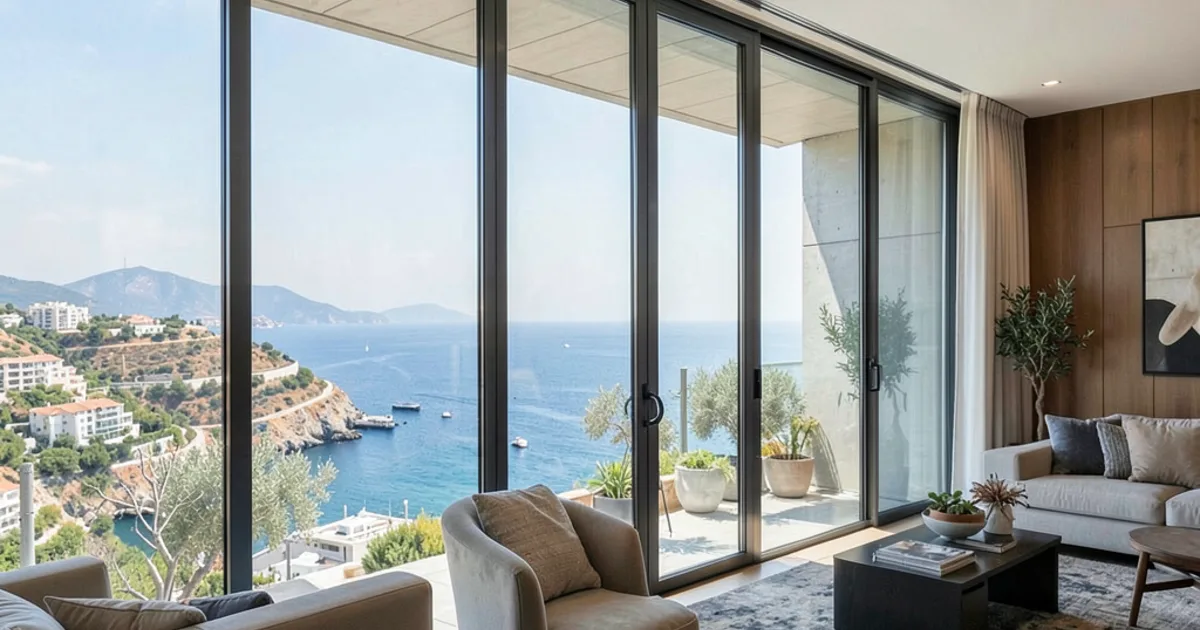
The Israeli real estate landscape is undergoing a profound digital transformation as high-tech innovation moves from the startup sector into the residential sphere. In premium coastal areas like Herzliya, smart home technology is no longer a luxury add-on but a core expectation for modern homeowners. This evolution affects everything from security and energy management to the legal nuances of property acquisition. Understanding these technological shifts is essential for any buyer, investor, or resident looking to navigate the local market effectively.
- The Digital Transformation of Israeli Residential Spaces
- Enhanced Security and Monitoring in Coastal Communities
- Energy Efficiency and the Reduction of Utility Overhead
- Smart Climate Management in the Mediterranean Environment
- Navigating the Legal Framework and the Binding Memorandum
- High-End Automation in Luxury Developments like Herzliya Pituach
- Strategic Advantages for Real Estate Investors
- Overcoming Connectivity and Infrastructure Obstacles
- Property Valuation, Appraisals, and the Mashkanta Process
- Seamless Integration for New Residents and Expats
The Digital Transformation of Israeli Residential Spaces
Israel has long been a global hub for technological advancement, and this culture is increasingly manifesting in the way homes are designed and operated. The transition from traditional living to smart, interconnected environments is driven by a highly digitally literate population. In urban centers, the demand for seamless integration between devices and infrastructure is reshaping how developers approach new residential projects. This shift is not merely about convenience; it is about creating an ecosystem that responds to the needs of the inhabitant.
In prestigious areas such as the Herzliya city centre, the expectation for high-speed connectivity and integrated automation is significantly higher than in other regions. Modern buyers are looking for homes that offer more than just four walls; they seek environments that can be managed via smartphone applications. This includes everything from lighting control to integrated audio systems that enhance the lifestyle of the resident. As the market matures, these features are becoming standard in new builds and high-end renovations.
The integration of the Internet of Things (IoT) into the fabric of Israeli homes is also influenced by the country's unique urban density. In many high-rise developments, smart technology allows for better management of shared resources and individual unit efficiency. This connectivity creates a more responsive living environment that can adapt to the daily routines of its occupants. As technology continues to evolve, we expect to see even deeper levels of automation within the residential sector.
- Integration of IoT devices into standard home layouts.
- Increased demand for mobile-first home management.
- Rise of automated lifestyle features in luxury developments.
Enhanced Security and Monitoring in Coastal Communities
Security remains a paramount concern for homeowners in Israel, particularly in coastal areas like Nof Yam where residents may travel frequently. Smart home technology provides a sophisticated layer of protection that traditional security systems cannot match. Modern smart locks, integrated doorbell cameras, and motion sensors allow residents to monitor their property from anywhere in the world. This provides a level of peace of mind that is highly valued by both local families and international residents.
Beyond simple intrusion detection, smart security systems offer proactive monitoring capabilities. For instance, smart sensors can detect unusual activity or even environmental hazards like water leaks or smoke, sending immediate alerts to a user's mobile device. In high-rise buildings, these systems can be integrated with the building's central management to provide a holistic security umbrella. This layered approach ensures that both the individual unit and the communal areas are adequately protected.
The convenience of remote access is another significant benefit for those living in coastal prestige zones. Being able to grant temporary access to service providers or guests via a digital key reduces the logistical friction of property management. This is especially useful for owners of vacation properties or those who frequently reside abroad. The ability to verify who is at the door through high-definition video feeds adds an essential layer of modern safety.
- Remote monitoring via mobile applications.
- Smart locks and digital access management.
- Integrated environmental hazard detection (water, smoke, gas).
Energy Efficiency and the Reduction of Utility Overhead
As energy costs fluctuate, the ability to manage household consumption through smart technology has become a major selling point. Smart thermostats and automated lighting systems allow residents to optimize their energy usage based on real-time needs. In the Israeli context, where air conditioning is a necessity for much of the year, smart climate control can lead to significant savings on monthly utility bills. These systems ensure that energy is not wasted on unoccupied rooms or during peak tariff hours.
Smart meters and energy monitoring apps provide residents with granular data regarding their consumption patterns. This visibility allows for more informed decisions about lifestyle habits and device usage. By identifying 'energy vampires', devices that consume power even when not in use, homeowners can take proactive steps to reduce their carbon footprint. This trend aligns with broader global movements toward sustainability and more responsible urban living.
Furthermore, the impact of energy efficiency extends to the broader municipal level. As smart grids become more common, individual homes equipped with smart technology can contribute to a more stable and efficient local energy network. While the primary motivation for many is cost reduction, the environmental benefits of reduced energy waste are increasingly recognized by both buyers and developers. This makes energy-efficient smart homes a more resilient investment in the long term.
- Automated lighting and HVAC optimization.
- Real-time energy consumption tracking.
- Reduction of overall household carbon footprint.
Smart Climate Management in the Mediterranean Environment
The Mediterranean climate, characterized by hot summers and high humidity, necessitates robust climate control systems. In Israeli real estate, particularly in coastal cities, the integration of smart HVAC (Heating, Ventilation, and Air Conditioning) is a critical feature. Smart systems can adjust temperatures and humidity levels automatically, maintaining a comfortable environment without constant manual intervention. This is especially vital in luxury homes where maintaining a precise atmosphere is expected.
Smart climate technology also works in tandem with other home systems to manage thermal loads. For example, smart blinds or curtains can be programmed to close during the hottest parts of the day, reducing the load on the air conditioning unit. This proactive approach to temperature management not only increases comfort but also preserves the lifespan of the cooling hardware. It is a sophisticated way to balance luxury with practical resource management.
In more advanced setups, humidity sensors can trigger ventilation systems to prevent the buildup of moisture, which is a common issue in coastal regions. This level of automation protects the interior finishes, furniture, and electronics of a high-end home from the corrosive effects of salt air and humidity. For a homeowner in a premium location, these automated protections are an essential component of property maintenance and long-term value preservation.
Navigating the Legal Framework and the Binding Memorandum
When purchasing a property that includes smart home technology, it is imperative to address these features within the legal documentation. The binding memorandum, which serves as the foundation of the real estate transaction, must explicitly detail the technological specifications included in the sale. If a developer promises a 'smart home,' the contract should specify which devices, software, and infrastructure are included. Failing to do so can lead to significant disputes during the handover process.
It is also important to distinguish between the physical infrastructure and the software components. While the Tabu land registry manages the legal ownership and property boundaries, it does not record the internal technological ecosystem of a home. Therefore, the buyer must rely on the technical annexes of the contract to ensure that the promised smart features are legally binding. This includes checking for the presence of necessary wiring, central hubs, and compatible hardware.
During the due diligence phase, a buyer should consult with both legal and technical experts to verify the functionality of the promised systems. It is wise to include clauses that allow for a technical inspection prior to the final transfer of funds. This ensures that the smart systems are not only present but are also fully operational and compliant with local electrical standards. Protecting your investment requires a thorough understanding of how technology intersects with Israeli property law.
- Explicitly defining tech specs in the binding memorandum.
- Verifying hardware vs. software obligations in the contract.
- Conducting technical inspections during the due diligence period.
High-End Automation in Luxury Developments like Herzliya Pituach
In premium enclaves like Herzliya Pituach, smart home technology is often integrated at a much deeper level than in standard residential projects. These luxury developments frequently feature fully integrated automation systems that control lighting, sound, security, and even swimming pool maintenance. The goal is to provide a seamless, 'invisible' technology experience where the home anticipates the needs of the owner. This level of sophistication is a key differentiator in the high-end market.
For these properties, the automation often extends to the outdoor living spaces, which are central to the Mediterranean lifestyle. Smart irrigation systems can manage lush gardens with precision, while outdoor lighting and sound systems can be controlled via centralized interfaces. This integration allows for an effortless transition between indoor and outdoor living, making the home an ideal venue for entertaining. The technological complexity of these homes requires professional installation and ongoing management.
The value of such automation in the luxury segment is tied to its ability to enhance the lifestyle of the occupant. It is not just about gadgets; it is about the orchestration of an environment that provides comfort, security, and prestige. As buyers in this segment continue to seek exclusivity, the sophistication of a home's technological infrastructure will remain a primary factor in its desirability and market positioning.
Strategic Advantages for Real Estate Investors
For real estate investors, incorporating smart home technology can be a strategic move to increase rental yields and attract high-quality tenants. In a competitive market, a property equipped with smart features often stands out, allowing for higher rental premiums. Features like smart locks are particularly attractive to the growing market of long-term renters and expatriates who value ease of access and remote management. This technology can simplify the landlord-tenant relationship significantly.
Smart technology also enables more efficient property management for those with large portfolios. Remote monitoring of utility usage and security alerts allows investors to manage multiple properties without the need for constant physical inspections. This can lead to a reduction in operational costs and a faster response to maintenance issues, such as detecting a leak before it causes significant damage. In the long run, this proactive management preserves the asset's value.
When considering the eventual sale of an investment property, smart upgrades can positively influence the perceived value. While it is important not to over-invest in ephemeral gadgets, a well-integrated and robust smart infrastructure is seen as a modern, future-proofed asset. Investors should focus on foundational technologies, such as high-quality networking and centralized control systems, that provide lasting utility and appeal to a wide range of future buyers.
- Attracting premium tenants through modern amenities.
- Streamlining remote property management and monitoring.
- Enhancing long-term asset value through future-proofed infrastructure.
Overcoming Connectivity and Infrastructure Obstacles
Despite the benefits, integrating smart technology is not without its challenges. The effectiveness of any smart home system is entirely dependent on the reliability and speed of the local internet infrastructure. In some older residential areas, the existing telecommunications hardware may struggle to support a high density of IoT devices. It is essential for buyers and developers to ensure that the property has the necessary bandwidth to support a modern smart ecosystem.
Electrical standards and compatibility also present potential hurdles. In Israel, all smart devices must comply with local electrical regulations to ensure safety and reliability. When retrofitting an older apartment with smart technology, one must be mindful of the existing wiring and the capacity of the electrical panel. A poorly planned installation can lead to connectivity drops, device malfunctions, or even electrical hazards, making professional consultation a necessity.
Cybersecurity is another critical consideration that cannot be overlooked. As more devices become connected to the home network, the potential attack surface for cyber threats increases. Homeowners must be diligent about using secure protocols, changing default passwords, and keeping device firmware updated. A smart home is only as good as its security, and neglecting the digital side of home protection can leave a resident vulnerable in ways that traditional homes are not.
Property Valuation, Appraisals, and the Mashkanta Process
The presence of smart home technology can influence the valuation of a property, though it is often viewed through a nuanced lens by appraisers. When a homeowner applies for a Mashkanta (mortgage), the bank will send an appraiser to determine the property's market value. While individual gadgets may not always result in a direct, proportional increase in appraised value, a home with integrated, high-quality smart systems is often perceived as being in a superior condition and more modern.
It is important to distinguish between 'add-ons' and 'integrated systems.' An appraiser is more likely to recognize the value of a centralized, professionally installed automation system than a collection of disconnected smart plugs. For the purpose of the Mashkanta, the focus is on how these technologies contribute to the overall utility and modernity of the residence. A home that is perceived as 'turnkey' and technologically advanced can facilitate a smoother valuation process.
Furthermore, when considering the eventual sale of the property, the impact on Mas Shevah (capital gains tax) should be kept in mind. While the technology itself is part of the property value, the costs associated with significant renovations, including smart home upgrades, can sometimes be factored into the cost basis of the property. This can potentially impact the calculation of capital gains. It is always advisable to maintain detailed records of all technological investments and professional installation costs.
Seamless Integration for New Residents and Expats
For expatriates and new residents moving to Israel, the transition to a smart home can be both exciting and complex. Navigating the local nuances of technology, from understanding electrical standards to setting up local service providers, requires careful planning. Many new residents may find that while they are accustomed to smart homes in their country of origin, the specific ecosystems and local service integrations in Israel may differ. This can make the initial setup period feel overwhelming.
Some new residents may use their time in an Ulpan (Hebrew language school) to settle into the local culture, but technological integration is a parallel process that requires its own attention. It is highly recommended to engage local specialists who can help bridge the gap between international preferences and local availability. This ensures that the smart systems are not only functional but also fully compatible with the local internet service providers and smart home standards.
Ultimately, a well-integrated smart home can actually facilitate a smoother transition for those new to the country. The ability to manage a home remotely or through simple, intuitive interfaces can reduce the stress of settling into a new environment. As the Israeli real estate market continues to embrace these technologies, the 'smart home' will increasingly become a vital tool for helping residents feel at home in their new surroundings, regardless of where they are from.
FAQ
Does smart home technology increase Mas Rekhisha?
No, Mas Rekhisha (purchase tax) is calculated based on the transaction value of the property as recorded in the contract. While smart features may increase the overall purchase price, the tax is applied to that total amount rather than as a separate surcharge for technology.
Can I add smart technology to an older apartment in Herzliya?
Yes, many smart devices are designed for retrofitting, such as smart light switches and smart thermostats. However, for a more comprehensive system, you may need to upgrade the electrical wiring and ensure your internet infrastructure can support the additional load.
How does smart technology affect my Mashkanta application?
While smart gadgets might not always increase the formal appraised value significantly, a home with integrated, high-quality automation is often viewed as more modern and well-maintained. This can positively influence the overall perception of the property during the mortgage process.
Is it difficult to manage a smart home as a landlord in Israel?
On the contrary, smart technology can make management much easier. Features like smart locks allow for remote access for maintenance or new tenants, and smart sensors can alert you to issues like water leaks before they become costly repairs.
Get your personalised shortlist
Listings and up-to-date info, straight to your inbox, free, no obligation.
See Herzliya homes →