What are the common pitfalls to avoid when buying an off-plan apartment in Herzliya and how to protect your investment?
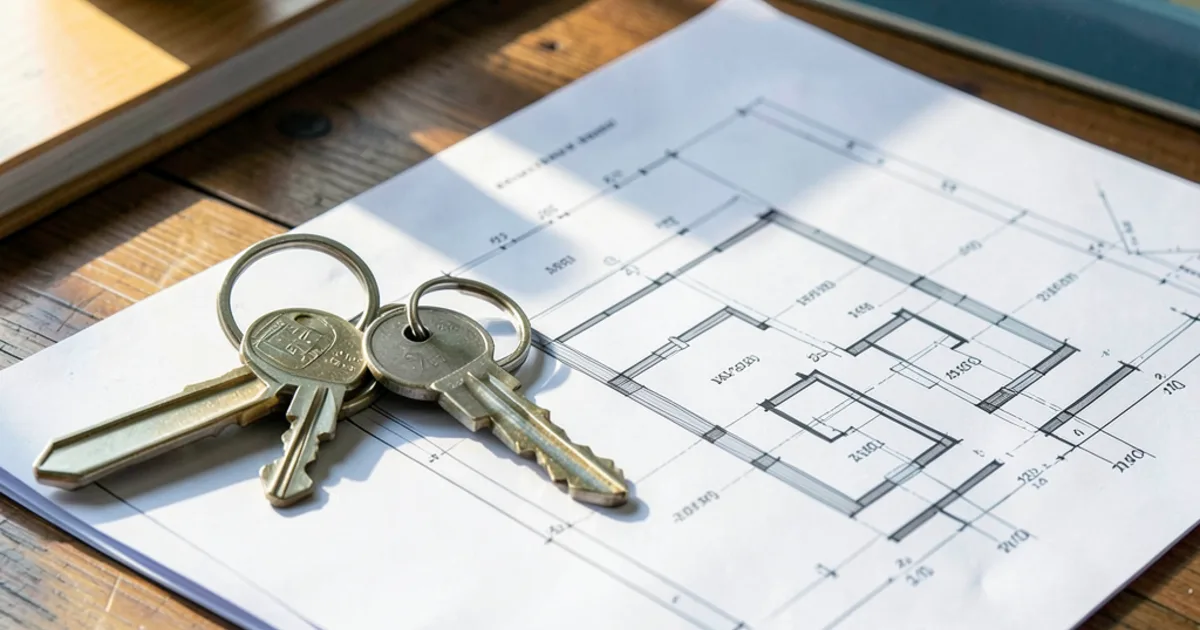
Herzliya, with its prestigious coastal communities, vibrant city center, and tranquil Nof Yam, presents an enticing landscape for real estate investment, particularly in the realm of off-plan new builds. The allure of a brand-new apartment, customized to your taste, is undeniable. However, this path is not without its complexities, and without careful navigation, buyers can encounter significant pitfalls. This comprehensive guide from HerzliyaRealEstate aims to equip you with the knowledge and strategies necessary to protect your investment and ensure a successful off-plan purchase in this coveted Israeli city.
- Understanding the 'Off-Plan' Concept in the Israeli Context
- The Developer's Reputation: A Cornerstone of Your Investment
- Navigating the Purchase Agreement: Beyond the Pretty Pictures
- Financial Guarantees and Payment Structures: Securing Your Capital
- Construction Delays and Quality Control: Managing Expectations and Outcomes
- Understanding Property Taxes and Associated Costs
- The Binding Memorandum and Its Implications
- Customization and Design Changes: Managing Expectations
- The Importance of Independent Legal Representation
- Future Resale Value and Market Dynamics in Herzliya
- Post-Handover: Warranty, Defects, and Ongoing Management
- Protecting Your Investment: A Summary of Actionable Steps
Understanding the 'Off-Plan' Concept in the Israeli Context
Purchasing off-plan, known locally as 'pre-sale' or 'on paper,' involves buying a property before its construction is completed, or sometimes even before it has begun. This model allows buyers to secure a property at an earlier stage, potentially benefiting from future appreciation and the ability to influence design choices. However, it also means committing to an asset that doesn't yet physically exist in its final form, introducing a unique set of risks and dependencies on the developer's execution.
In Israel, the legal framework governing off-plan sales is designed to offer a degree of protection to buyers, primarily through the Sale Law (Apartments) (Guarantee of Funds of Purchasers) of 1974. This legislation mandates that developers provide financial guarantees to secure the buyer's payments, safeguarding against developer insolvency. While this is a critical safeguard, it doesn't eliminate all potential issues, such as construction delays, quality discrepancies, or changes to the original plans.
For Herzliya, where demand is consistently high and new projects are often in desirable locations like Herzliya Pituach or near the Marina, the temptation to buy early is strong. Yet, the premium associated with these locations also means the stakes are higher. A thorough understanding of the developer's reputation, the specific project's timeline, and the precise terms of the contract becomes paramount. It's not just about the apartment itself, but the entire ecosystem of the build from groundbreaking to handover.
The Developer's Reputation: A Cornerstone of Your Investment
One of the most critical factors in an off-plan purchase is the developer's track record. A developer's past projects offer invaluable insights into their reliability, construction quality, adherence to timelines, and post-sale service. Researching their history should go beyond glossy brochures and encompass objective data points and testimonials, both positive and negative.
Investigate previous projects completed by the developer, ideally in Herzliya or similar high-value areas. Look for consistency in delivery, the absence of widespread complaints regarding structural issues or significant delays, and their responsiveness to buyer concerns. Public records, industry forums, and even local community groups can be useful resources for gathering this kind of intelligence.
A reputable developer will have a transparent history and be willing to provide references or allow visits to their completed projects. Conversely, a developer with a history of legal disputes, numerous project cancellations, or persistent quality issues should raise significant red flags. Remember, you are entrusting them not just with your money, but with the creation of your future home or investment asset.
Navigating the Purchase Agreement: Beyond the Pretty Pictures
The purchase agreement, or 'Heskem Mekhira,' is the bedrock of your off-plan investment. It is a complex legal document, often lengthy and filled with clauses that can significantly impact your rights and obligations. Rushing into signing without a comprehensive review by an independent real estate lawyer specializing in Israeli property law is a grave error.
Pay particular attention to clauses pertaining to construction timelines, penalty clauses for delays (both for the developer and the buyer), specifications of materials and finishes, and the process for addressing defects. Many agreements include 'small print' that allows developers considerable leeway in altering plans or substituting materials, which can lead to disappointments if not explicitly clarified and potentially amended.
Furthermore, understand the payment schedule and how it is linked to construction milestones. Ensure that the developer's financial guarantees, such as a bank guarantee ('Arvut Banka' or 'Law of Sale (Apartments) Guarantee'), are clearly outlined and legally sound. This guarantee ensures that your payments are protected even if the developer faces financial difficulties, safeguarding a substantial portion of your investment.
Financial Guarantees and Payment Structures: Securing Your Capital
In Israel, the Sale Law (Apartments) mandates that developers provide financial security for buyer payments. The most common and robust form is a bank guarantee, which ensures that your funds are protected if the developer defaults or goes bankrupt. This guarantee typically covers payments exceeding a certain percentage of the apartment's value and is issued by a bank or insurance company.
It's crucial to verify the validity and scope of this guarantee. Ensure it covers the full amount you have paid and is issued by a reputable financial institution. Without a proper bank guarantee, your investment is exposed to significant risk. Never make substantial payments without this safeguard firmly in place and verified by your legal counsel.
Beyond the guarantee, scrutinize the payment schedule itself. Typically, payments are staggered according to construction progress. While this seems logical, ensure the milestones are clearly defined and verifiable. Avoid schedules that demand disproportionately large payments early in the project, especially before significant construction has commenced. Your lawyer should advise on a fair and balanced payment structure that aligns with industry standards and protects your cash flow.
Construction Delays and Quality Control: Managing Expectations and Outcomes
Construction delays are a common occurrence in off-plan projects, even in Herzliya, due to a multitude of factors ranging from permits and material availability to labor shortages and unforeseen site conditions. The purchase agreement should clearly define the developer's obligations regarding completion dates and the penalties for exceeding them. Ensure these penalties are meaningful enough to incentivize timely delivery.
Equally important is the issue of construction quality. While a new apartment offers the appeal of pristine conditions, defects can emerge during and after construction. The agreement should detail the inspection process, including the 'Masirat HaKhinuch' (pre-handover inspection) and the 'Masirat HaDira' (final handover), allowing you to identify and document any deficiencies before taking possession.
Post-handover, Israeli law provides for a 'Shnat Badikah' (inspection year) and a 'Tekufat Akhrayut' (warranty period) for various components. Understand the scope and duration of these warranties, and the procedure for reporting and rectifying defects. Documenting all communication and issues is vital. Engaging an independent building inspector during key construction phases, and especially before handover, can be a prudent investment to ensure quality control.
Understanding Property Taxes and Associated Costs
Beyond the purchase price, buying an off-plan apartment in Herzliya involves several significant additional costs and taxes that buyers must factor into their budget. The most substantial is 'Mas Rekhisha' (Purchase Tax), which is a progressive tax levied on the buyer. The rates vary based on whether you are an Israeli resident, a foreign resident, and whether this is your sole property or an additional investment.
It is crucial to understand the current Mas Rekhisha thresholds and percentages applicable to your specific situation, as these can significantly impact the overall cost. For foreign residents or those acquiring additional properties, the tax rates can be considerably higher. Seeking professional advice from an Israeli tax advisor is highly recommended to accurately calculate this expense and understand any potential exemptions or reliefs.
Other costs include legal fees (typically 0.5% to 1.5% plus VAT of the purchase price, though sometimes a fixed fee), registration fees at the 'Tabu' (Land Registry), and potentially mortgage establishment fees ('Mashkanta' fees) if you are financing the purchase. Once you take possession, you will also be responsible for 'Arnona' (municipal property tax), 'Va'ad Bayit' (building management fees), and utility connection fees. These ongoing costs contribute to the overall burden of ownership and must be fully accounted for from the outset.
The Binding Memorandum and Its Implications
Often, before the full purchase agreement is drafted and signed, buyers might be presented with a 'Zikhron Devarim' (Memorandum of Understanding) or a 'Heskem Mekadem' (Preliminary Agreement). While these documents might seem informal, they can be legally binding and commit you to the purchase, sometimes with significant financial penalties if you withdraw.
It is absolutely critical to have any such preliminary document reviewed by your independent real estate lawyer before signing. These memorandums typically outline key terms like the price, payment schedule, and completion date, and once signed, can be difficult to alter. Signing without legal counsel can inadvertently waive critical rights or commit you to unfavorable terms.
In Herzliya's competitive market, developers might press for a swift signing of a preliminary agreement to secure your interest. Resist this pressure. Ensure your lawyer has thoroughly vetted the document and you fully comprehend its implications. A well-advised preliminary agreement can be a useful step, but an unadvised one can become a significant pitfall.
Customization and Design Changes: Managing Expectations
One of the attractive aspects of buying off-plan is the opportunity to customize your apartment to your taste. Developers often offer a range of finishing options, from flooring and kitchen cabinets to bathroom fixtures. However, the extent of customization can vary significantly between projects and developers.
It's essential to clarify precisely what can be customized, what the standard specifications are, and what additional costs are associated with upgrades. These choices, often presented in a 'Tech Specs' (Specifications List), can dramatically alter the final price. Ensure that all agreed-upon changes and upgrades are meticulously documented and incorporated into the purchase agreement or an addendum.
Understand that there may be limitations on structural changes or significant layout modifications, especially once construction is underway. Any deviation from the original plans must be formally approved. Unrealistic expectations regarding customization can lead to frustration and unexpected expenses, so clear communication and documentation are paramount from the outset.
The Importance of Independent Legal Representation
This point cannot be overstated: engaging your own independent real estate attorney is not an option, but a necessity when buying off-plan in Herzliya. The developer's legal team represents the developer's interests, not yours. Their primary goal is to protect the developer and ensure the transaction proceeds on their terms.
Your attorney will conduct due diligence on the developer and the project, review the purchase agreement line by line, negotiate terms on your behalf, verify the financial guarantees, and ensure the property's registration at the Tabu (Land Registry) proceeds correctly. They will also advise on tax implications and help navigate any disputes that may arise.
An experienced Israeli real estate lawyer, particularly one familiar with off-plan transactions in high-value areas like Herzliya, will identify potential pitfalls that an inexperienced buyer might overlook. Their expertise is an invaluable safeguard for your investment, providing peace of mind and protecting your legal and financial interests throughout the entire process.
Future Resale Value and Market Dynamics in Herzliya
While buying off-plan, it's wise to consider the long-term investment potential and future resale value, especially in a dynamic market like Herzliya. Factors such as the specific neighborhood (Herzliya Pituach, City Centre, Nof Yam), proximity to amenities, schools, and transportation links, as well as the overall quality of the build, will influence future demand.
Market conditions can shift between the time of purchase and completion. While Herzliya has historically shown strong appreciation, external economic factors or significant changes in local planning policies could impact future values. Research local market trends, consult with reputable real estate agents specializing in Herzliya, and consider the project's unique selling propositions.
Understand that while 'newness' is a selling point, the design and finishes should have broad appeal to avoid limiting your future buyer pool. Protecting your investment isn't just about securing the initial purchase, but also ensuring its attractiveness and liquidity in the resale market years down the line. A well-constructed, well-located, and well-maintained property will always hold its value better.
Post-Handover: Warranty, Defects, and Ongoing Management
The handover of your new apartment is not the end of the process; it marks the beginning of your ownership and the developer's warranty period. As mentioned, Israeli law provides for a 'Shnat Badikah' (inspection year) and a 'Tekufat Akhrayut' (warranty period) for various components, typically extending for several years depending on the nature of the defect.
During the inspection year, any defects that arise are generally the developer's responsibility to rectify, provided they are not due to normal wear and tear or misuse. It is crucial to formally document and report all defects, no matter how minor, in writing to the developer and keep meticulous records of all correspondence. Failure to do so can jeopardize your claims.
Beyond individual apartment issues, pay attention to the common areas and the 'Va'ad Bayit' (building management committee). Ensure the developer adequately addresses any defects in shared spaces before handing over control to the residents. An actively managed building with a robust 'Va'ad Bayit' contributes significantly to the building's maintenance and overall property value in the long run.
Protecting Your Investment: A Summary of Actionable Steps
To summarize, protecting your off-plan investment in Herzliya requires a proactive, informed, and meticulous approach. Begin with exhaustive due diligence on the developer's reputation and past projects. Never compromise on securing independent legal counsel from an Israeli real estate expert who specializes in new builds.
Scrutinize every clause of the purchase agreement, paying particular attention to timelines, specifications, and penalty clauses. Ensure robust financial guarantees are in place and verified. Budget comprehensively for all associated taxes and ongoing costs, including 'Mas Rekhisha' and 'Arnona.'
Maintain detailed records of all communications, payments, and inspections. Engage an independent building inspector if feasible. By following these steps, you significantly mitigate the risks associated with off-plan purchases, transforming a potentially daunting process into a secure and rewarding investment in Herzliya's prestigious real estate market.
- Thoroughly research the developer's track record and completed projects.
- Engage an independent, experienced Israeli real estate lawyer from the outset.
- Insist on and verify legally compliant financial guarantees for all payments.
- Carefully review the purchase agreement, focusing on timelines, quality, and defect resolution.
- Budget for all ancillary costs, including 'Mas Rekhisha' and legal fees.
- Document every communication, payment, and inspection meticulously.
- Consider an independent building inspector during critical construction phases.
- Understand and actively utilize your rights during the 'Shnat Badikah' (inspection year).
FAQ
What is a 'Tabu' and why is it important for my off-plan purchase in Herzliya?
The 'Tabu' is Israel's Land Registry, the official record of property ownership. For off-plan purchases, your lawyer will ensure your rights are properly registered, even before the final apartment is built, securing your claim to the property. Final registration occurs after completion and full payment.
How does 'Mas Rekhisha' (Purchase Tax) impact foreign buyers in Herzliya?
'Mas Rekhisha' for foreign buyers or those purchasing an additional property in Israel is significantly higher than for a sole property for an Israeli resident. It's a progressive tax, meaning the rate increases with the property's value. Accurate calculation by a tax advisor is essential to avoid surprises.
Can I get a 'Mashkanta' (mortgage) for an off-plan apartment in Herzliya?
Yes, it is possible to obtain a 'Mashkanta' for an off-plan apartment. Israeli banks typically release funds in stages, mirroring the developer's payment schedule and construction progress. You will need to meet the bank's lending criteria and secure an appraisal based on the future value of the completed property.
What is the 'Shnat Badikah' and how do I use it effectively?
The 'Shnat Badikah' is a mandatory inspection year following handover, during which the developer is generally responsible for rectifying defects that arise. To use it effectively, document all observed issues in writing, with photos or videos if possible, and send formal notifications to the developer, keeping copies for your records.
Get your personalised shortlist
Listings and up-to-date info, straight to your inbox, free, no obligation.
See Herzliya homes →