Buy property in herzliya
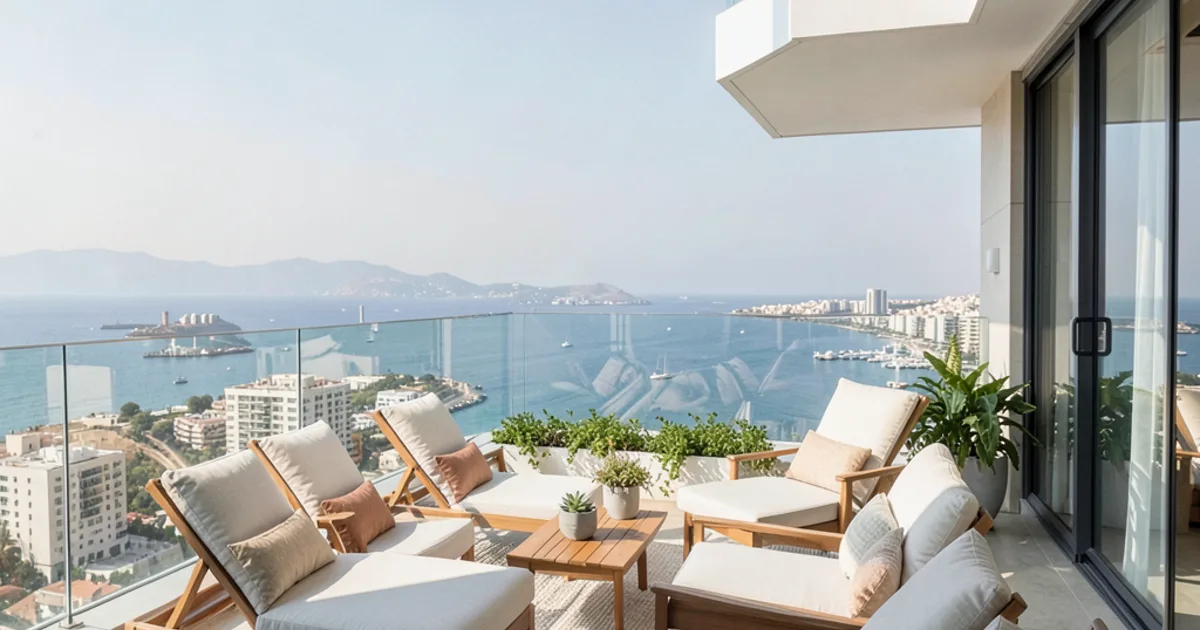
Herzliya stands as one of Israel's most coveted coastal destinations, blending high-tech innovation with Mediterranean luxury. For many, buying property here is not merely a real estate transaction but a significant lifestyle upgrade that offers both prestige and long-term value. This comprehensive guide is designed to walk prospective buyers through the complexities of the local market, from neighborhood selection to the final legalities of ownership.
- Understanding the Herzliya Real Estate Landscape
- Identifying the Ideal Neighborhood for Your Needs
- The Legal Fundamentals of Israeli Property Ownership
- Navigating the Financial Obligations and Taxes
- The Step-by-Step Acquisition Process
- Professional Support: Building Your Expert Team
- Integrating into the Local Lifestyle
- Managing Long-Term Ownership and Maintenance
- Avoiding Common Pitfalls in the Israeli Market
- Final Considerations for International Buyers
Understanding the Herzliya Real Estate Landscape
The real estate market in Herzliya is characterized by its distinct stratification, offering a variety of living experiences within a relatively compact geographic area. Unlike many other cities, Herzliya manages to balance a high-octane business environment with serene, upscale residential enclaves. This duality makes it a magnet for both international investors looking for stability and families seeking a high quality of life near the sea.
Investors and residents alike must recognize that the market operates on several tiers. Some areas are defined by their proximity to the high-tech corridors, while others are driven by their proximity to the Mediterranean coastline. This distinction is crucial because it influences not only the initial purchase price but also the long-term appreciation potential and the type of community you will join.
Understanding the local demand is also essential. Because Herzliya is a hub for both commerce and leisure, the demand for residential property remains consistently high. Whether you are looking for a compact apartment in a bustling center or a sprawling villa in a gated community, you are entering a market that values privacy, security, and proximity to essential amenities.
- High-tech and commercial synergy in Herzliya Pituach.
- Premium coastal living in Nof Yam and the Marina area.
- Urban convenience in the central residential districts.
Identifying the Ideal Neighborhood for Your Needs
Choosing where to buy property in Herzliya depends heavily on your desired daily rhythm. Herzliya Pituach is perhaps the most famous district, known globally for its concentration of high-tech companies and luxury residences. This area is ideal for those who desire large, private villas and a sense of exclusivity, often catering to high-net-worth individuals and business leaders who value privacy and prestige.
In contrast, the City Centre offers a more dynamic, urban lifestyle. This area is perfect for those who prefer being within walking distance of shopping centers, cafes, and public transport. The residential offerings here tend to be more diverse, ranging from modern high-rise apartments to older, renovated buildings, making it an excellent choice for young professionals or smaller families who want easy access to the pulse of the city.
For those whose primary goal is a connection to the sea, Nof Yam and the areas surrounding the Marina provide an unparalleled experience. These neighborhoods are characterized by premium beachfront properties and penthouses that offer stunning Mediterranean views. Living in these areas often means a lifestyle centered around water sports, seaside dining, and a slower, more relaxed pace of life, though at a significant premium.
- Herzliya Pituach: Luxury villas, business hubs, and high privacy.
- City Centre: Urban convenience, shopping, and apartment living.
- Nof Yam: Coastal luxury, beachfront views, and leisure-oriented.
- Marina Area: Nautical lifestyle and upscale dining proximity.
The Legal Fundamentals of Israeli Property Ownership
Before committing to a purchase, it is imperative to understand the legal structure of property in Israel. The primary authority for land ownership is the Tabu, which is the official land registry. Verifying that a property is correctly registered in the Tabu is the most critical step in due diligence, as it confirms the seller's right to sell and ensures there are no undisclosed liens or third-party claims on the land.
In some cases, you may encounter properties that are not registered in the Tabu but are instead managed through other means, such as the Israel Land Authority or through specific municipal records. While these are common, they require a much higher level of scrutiny from a legal professional. A lawyer must meticulously trace the chain of title to ensure that the transfer of ownership will be legally binding and undisputed.
The concept of ownership in Israel can also involve complex layers, such as shared ownership in a building or specific rights regarding common areas. This is particularly relevant when buying apartments in multi-unit buildings. You must ensure that the 'binding memorandum', the contract that seals the deal, clearly outlines your rights to the property, the shared spaces, and any ongoing responsibilities associated with the building's management.
Navigating the Financial Obligations and Taxes
The financial commitment of buying property in Herzliya extends far beyond the sticker price. One of the most significant costs is the Mas Rekhisha, or purchase tax. This is a progressive tax levied by the state, meaning the rate increases as the value of the property rises. It is vital to calculate this early in your budgeting process, as it can represent a substantial portion of your total acquisition cost.
If you are financing your purchase, you will need to navigate the Mashkanta process. A Mashkanta is a mortgage, and the Israeli banking system has specific requirements for both local and international residents. Securing a mortgage involves rigorous credit checks and property valuations, and you should be prepared for various interest rate structures that can impact your long-term monthly payments.
Once you move in, you must account for recurring costs such as Arnona, the municipal property tax. Arnona is calculated based on the size and location of the property and is paid to the Herzliya municipality. Additionally, you should budget for maintenance fees in managed buildings and other administrative costs that come with owning high-end real estate in a premium coastal city.
- Mas Rekhisha (Purchase Tax): A progressive tax based on property value.
- Mashkanta (Mortgage): Financing options through local banks.
- Arnona: Annual municipal tax based on property size and usage.
- Legal and Agency Fees: Notary, lawyer, and real estate agent costs.
The Step-by-Step Acquisition Process
The journey from finding a home to holding the keys follows a structured path in Israel. It begins with the search and viewing phase, where you work with a local agency to identify properties that meet your criteria. Once a property is selected, the negotiation phase begins. It is during this stage that you discuss not just the price, but also the closing date, any included furniture, and specific conditions for the sale.
Once terms are agreed upon, the process moves to the drafting of the binding memorandum, known in Hebrew as the Hov Shavach. This is a critical legal document that outlines all the terms of the transaction. It is highly recommended that your lawyer drafts or reviews this document to ensure your interests are protected. Once signed, the transaction becomes legally binding, and a deposit is typically paid to the seller or held in escrow.
The final stage is the closing, where the ownership is officially transferred. This involves the signing of documents before a notary or at the land registry office and the final disbursement of funds. This is the moment when the Mas Rekhisha is settled and the property is officially recorded in your name in the Tabu. A smooth closing is the result of meticulous preparation and professional coordination throughout the preceding months.
Professional Support: Building Your Expert Team
Navigating the Israeli real estate market as an international buyer can be daunting, which is why assembling a team of trusted professionals is non-negotiable. A specialized real estate lawyer is your most important ally. They do more than just review contracts; they conduct deep due diligence on the property's legal status, investigate zoning laws, and ensure that the seller has the legal capacity to transfer the title.
A local real estate agency serves as your eyes and ears on the ground. They provide access to listings that may not be widely advertised and offer invaluable insights into neighborhood trends and local market nuances. While they facilitate the transaction, they work alongside your legal counsel to ensure that the negotiation remains focused on your specific requirements and long-term goals.
Furthermore, depending on the complexity of your purchase, you may require a notary for the authentication of documents and a mortgage broker to navigate the Mashkanta landscape. If you are relocating to Herzliya, considering the social and linguistic aspects is also wise. Engaging with local resources to assist with the integration process can make the transition much smoother.
- Legal Counsel: Essential for due diligence and contract drafting.
- Real Estate Agency: Provides market access and local expertise.
- Notary: Required for official document authentication.
- Mortgage Broker: Assists in navigating the Mashkanta process.
Integrating into the Local Lifestyle
Buying property is only the first step; living in Herzliya involves integrating into a sophisticated and diverse community. For many newcomers, the language barrier can be a hurdle, but the availability of Ulpan programs, intensive Hebrew language courses, can significantly accelerate the integration process. Learning the local language is not just practical for daily errands, but it also fosters a deeper connection with the community.
Herzliya offers an exceptional standard of living with world-class amenities. From high-end shopping malls and gourmet dining to beautiful public parks and beaches, the city is designed for comfort and leisure. The infrastructure supports a seamless blend of work and play, especially for those working in the local high-tech sector who can enjoy a short commute followed by a sunset walk along the Mediterranean.
The social fabric of Herzliya is a mix of long-term residents, successful entrepreneurs, and an international community. This creates a cosmopolitan atmosphere that is welcoming yet maintains a sense of local tradition. Understanding the local customs and participating in community events can help you feel at home more quickly, turning a real estate investment into a true home.
Managing Long-Term Ownership and Maintenance
Once the purchase is complete, the focus shifts to long-term stewardship of your property. Maintaining a high-value asset in a coastal environment like Herzliya requires specific attention to detail. The salt air and humidity from the Mediterranean can have a significant impact on building exteriors, HVAC systems, and even some interior finishes. Regular maintenance is essential to preserve the property's aesthetic and structural integrity.
For those owning apartments in larger complexes, understanding the role of the building committee and the management company is vital. You will likely be part of a collective responsible for maintaining common areas, security, and landscaping. Being an active and informed member of your building's management ensures that the property remains a premium asset and that communal funds are used effectively.
From an investment perspective, staying informed about local urban planning and municipal developments is wise. Changes in zoning laws or new infrastructure projects in Herzliya can influence property values. By keeping a pulse on the city's growth, you can make informed decisions about future renovations, potential rentals, or when to eventually exit your position in the market.
Avoiding Common Pitfalls in the Israeli Market
Even with the best intentions, mistakes can happen in the real estate process if one is not vigilant. One common pitfall is failing to conduct thorough due diligence regarding zoning and building permits. A property might look perfect, but if the previous owners added an extra room or a balcony without proper authorization from the municipality, you could inherit significant legal and financial headaches.
Another error is underestimating the 'hidden' costs of the transaction. Beyond the purchase price, Mas Rekhisha, legal fees, agency commissions, and notary costs can add up to a significant sum. It is essential to have a clear, all-inclusive budget prepared before you begin making offers, ensuring that you are not caught off guard by the total capital required to close the deal.
Finally, relying solely on verbal agreements or informal understandings is a major risk. In the Israeli market, everything must be codified in the binding memorandum. Never assume that a 'handshake deal' will hold up in court; ensure that every condition, from the timing of the payment to the state of the property upon handover, is explicitly written in the legal contract.
Final Considerations for International Buyers
For international buyers, the process of buying property in Herzliya involves navigating different financial and legal systems. It is crucial to understand how your home country's tax laws interact with Israeli laws. You may face implications regarding capital gains or reporting requirements in both jurisdictions, making it prudent to consult with a tax professional who understands international real estate.
Managing funds across borders also requires careful planning. Transferring large sums of money into Israel involves compliance with strict anti-money laundering regulations. Working with established banks and ensuring that all documentation regarding the source of funds is transparent and ready will prevent delays in your closing process. Transparency is your best tool for a smooth transaction.
Ultimately, the goal is to move from being a visitor to a resident with confidence. By respecting the local processes, employing a professional team, and conducting exhaustive due diligence, you can navigate the complexities of the Herzliya market. The reward is a prestigious piece of Mediterranean real estate in one of the most vibrant and stable regions in the country.
FAQ
What is the most important legal document when buying property in Israel?
The most critical document is the binding memorandum, known as the Hov Shavach. This contract outlines all terms of the sale, including price, closing dates, and conditions, and makes the transaction legally enforceable.
Can I buy property in Herzliya if I am not an Israeli resident?
Yes, international buyers can purchase property in Herzliya. However, you should consult with a lawyer and a tax expert to understand how your residency status affects your mortgage options and tax obligations in both Israel and your home country.
Is it necessary to hire a lawyer for a real estate transaction in Herzliya?
It is highly recommended to hire a specialized real estate lawyer. They are essential for conducting due diligence through the Tabu, reviewing the binding memorandum, and ensuring that the property is free of any legal encumbrances or hidden debts.
Get your personalised shortlist
Listings and up-to-date info, straight to your inbox, free, no obligation.
See Herzliya homes →