Checklist for inspecting a luxury villa in Herzliya Pituach before purchase
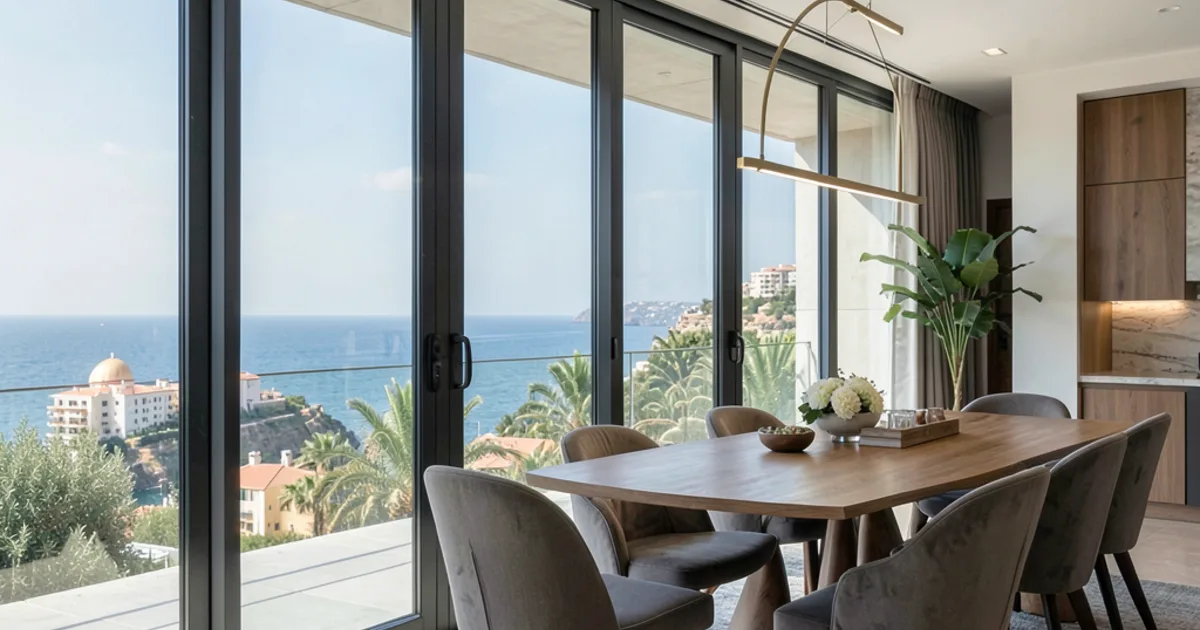
Purchasing a luxury villa in Israel, particularly in prestigious enclaves like Herzliya Pituach or the coastal stretches of Nof Yam, is a significant capital undertaking. Unlike standard residential acquisitions, high-end estates involve complex mechanical systems, specialized security infrastructure, and intricate legal layers. A superficial glance at the marble floors or the view of the Mediterranean is insufficient to protect your investment. This guide provides a comprehensive framework for conducting both physical and legal due diligence to ensure your future home is as sound as it is beautiful.
- The Fundamentals of Villa Due Diligence in Israel
- Engaging a Professional: The Importance of the Bedek Bayit
- Structural Integrity and Coastal Weatherproofing
- Mechanical, Electrical, and Plumbing (MEP) Systems
- The Mamad: Security and Compliance Standards
- Legal Due Diligence: Navigating the Tabu Land Registry
- Municipal Compliance: Permits, Zoning, and Arnona
- Understanding Israeli Property Taxes: Mas Rekhisha and Mas Shevah
- Evaluating Luxury Amenities and Smart Home Infrastructure
- Utilizing the Inspection Report in Contract Negotiations
- Assembling Your Expert Advisory Team
The Fundamentals of Villa Due Diligence in Israel
Due diligence in the Israeli real estate market is a multi-dimensional process that separates successful investors from those facing unforeseen liabilities. For a luxury villa, this process must go beyond checking for cosmetic flaws to examining the very core of the property. You are not merely buying a building; you are acquiring a complex asset that includes land rights, structural integrity, and municipal compliance. A failure to investigate any single component can lead to significant financial and legal complications later.
The scope of your investigation should be divided into two primary pillars: the physical inspection and the legal audit. The physical inspection focuses on the tangible condition of the structure, the efficiency of its systems, and the quality of its finishes. Meanwhile, the legal audit ensures that the title is clear, the property is permitted, and the tax obligations are understood. Both pillars must be addressed simultaneously to form a complete picture of the property's value.
In the context of Herzliya, where many villas are located in high-value, coastal, or hilly terrains, specific environmental factors must be considered. The proximity to the sea, for instance, introduces unique challenges regarding salt corrosion and humidity. Furthermore, the premium nature of these properties means that the cost of correcting a single structural or legal error can be exceptionally high. Therefore, approaching this process with a professional, methodical mindset is non-negotiable.
- Identify the distinction between aesthetic appeal and structural soundness.
- Separate physical inspections from legal and administrative audits.
- Account for local environmental factors like coastal humidity and salt air.
Engaging a Professional: The Importance of the Bedek Bayit
A common mistake among buyers is attempting to conduct their own inspection based on intuition or visual cues. In Israel, the gold standard for pre-purchase assessment is the 'Bedek Bayit,' which is a formal building inspection performed by a licensed engineer. This is not a casual walkthrough but a technical audit designed to identify hidden defects. Relying on a professional engineer provides you with a documented, expert report that carries significant weight during negotiations.
A 'Mehandes Mursheh' (licensed engineer) brings specialized knowledge that a real estate agent or a general contractor might lack. They utilize specific tools to check for moisture behind walls, thermal inconsistencies, and structural stresses. Their report will categorize findings into various levels of urgency, allowing you to prioritize what needs immediate attention. This technical document serves as your primary shield against post-purchase surprises.
It is vital to ensure that the engineer you hire is independent and has no connection to the seller or the developer. An unbiased perspective is the only way to obtain a truthful assessment of the property's condition. Once the report is received, it should be reviewed thoroughly with your legal counsel to determine if any findings necessitate a modification of the purchase terms. This report is your most powerful tool for ensuring the property's long-term viability.
- Hire a licensed 'Mehandes Mursheh' for a formal Bedek Bayit.
- Ensure the engineer is entirely independent of the seller or developer.
- Use the technical report as a foundation for price negotiations.
Structural Integrity and Coastal Weatherproofing
When inspecting a luxury villa in coastal areas like Nof Yam, the structural envelope is the first line of defense against the elements. The salt-laden air and high humidity can be incredibly aggressive toward building materials, particularly concrete and metal. You must look closely at the exterior facade for signs of spalling, where the concrete begins to flake away due to internal oxidation. This often indicates that the steel reinforcement bars are corroding, which is a serious structural concern.
Waterproofing, or 'Isolations,' is perhaps the most critical component of a villa's longevity in the Israeli climate. You should examine the roofs, balconies, and basement levels for any evidence of previous leaks or recent repairs. High-end villas often feature expansive terraces and rooftop gardens, which require sophisticated drainage and sealing systems. Any sign of staining on ceilings or efflorescence on walls suggests that the current waterproofing is failing.
The foundation and the overall settlement of the building must also be assessed, especially if the villa is built on sloped terrain. While minor hairline cracks are common in many structures, larger, diagonal cracks can signal significant movement in the soil or foundation. An engineer will check for these patterns to ensure the building is stable. In premium markets, the cost of remediating foundation issues can be astronomical, making this a high-priority check.
- Inspect the facade for concrete spalling and reinforcement oxidation.
- Verify the integrity of waterproofing on roofs, balconies, and basements.
- Check for significant settlement cracks in the foundation and walls.
Mechanical, Electrical, and Plumbing (MEP) Systems
The complexity of MEP systems in a luxury villa is significantly higher than in a standard apartment. You must evaluate the electrical capacity to ensure it can support modern smart-home technology, heavy HVAC loads, and high-end appliances. Check the main electrical panel for organized wiring and modern circuit breakers. An undersized electrical system can lead to frequent outages and is a costly upgrade to perform after the sale is finalized.
Plumbing systems require a rigorous check of both water pressure and the condition of the pipes. In many older villas, the transition from older piping to modern materials like PEX or copper is a key indicator of maintenance quality. Test the water pressure in all fixtures, including high-pressure showers and outdoor irrigation systems. Additionally, check the solar water heating system (Dud Shemesh), which is standard in Israel, to ensure it is functioning efficiently.
Climate control is another essential element, particularly given the intense heat of the Israeli summer. Whether the villa utilizes a centralized VRF system or individual split-unit air conditioners, the efficiency and noise levels must be assessed. Look for signs of refrigerant leaks or outdated compressors that may require replacement soon. A well-maintained HVAC system is vital for the comfort and value of a luxury estate.
- Assess electrical capacity for smart home and HVAC loads.
- Test water pressure and the condition of plumbing and solar heating.
- Evaluate the efficiency and noise levels of the climate control systems.
The Mamad: Security and Compliance Standards
In Israel, the 'Mamad' (reinforced safe room) is a fundamental component of residential security. For a luxury villa, the Mamad must not only be structurally sound but also fully compliant with the latest Ministry of Interior and Civil Defense standards. It is essential to verify that the room features an airtight door, proper ventilation systems, and adequate space to function as a living area. A Mamad that does not meet modern specifications can be a significant liability.
During your inspection, check the integrity of the Mamad's walls and the sealing of the door frame. Ensure that the air filtration system is operational and that the room is properly integrated into the villa's overall security plan. In some high-end properties, the Mamad may be located in the basement, which requires extra attention to moisture control and ventilation. A substandard safe room can undermine the sense of security that high-net-worth buyers expect.
Furthermore, confirm that the Mamad's existence and its dimensions are accurately reflected in the building's official plans. Discrepancies between the physical room and the registered architectural drawings can create significant legal hurdles during future sales or renovations. Always cross-reference the physical structure with the approved building permits to ensure total compliance with national safety regulations.
- Verify the Mamad meets current Ministry of Interior safety standards.
- Check the airtightness and functionality of the ventilation and door.
- Confirm the Mamad's dimensions match the official building plans.
Legal Due Diligence: Navigating the Tabu Land Registry
Physical perfection means nothing if the legal title to the property is compromised. The first step in legal due diligence is a thorough check of the 'Tabu' (the Israel Land Registry). This registry provides the definitive record of ownership, liens, mortgages, and any encumbrances on the property. You must ensure that the seller has the undisputed right to sell the villa and that no third-party claims exist that could interfere with your ownership.
In many luxury developments, properties may be held under complex ownership structures, such as 'Shechut Zahav' (golden share) or various forms of co-ownership. It is crucial to understand exactly what rights you are acquiring: is it the land, the building, or a specific share in a larger plot? An experienced lawyer will review the Tabu extracts to identify any 'Hechel' (rights) that might limit your ability to renovate or sell the property in the future.
Additionally, you must investigate whether there are any existing 'Mashkanta' (mortgages) registered against the property. While it is common for sellers to have a mortgage, your legal team must ensure that this mortgage is fully discharged as part of the closing process. Any failure to clear these liens can result in you inheriting the seller's debt. Always demand a clean title as a condition of the binding memorandum.
- Verify ownership and check for liens in the Tabu Land Registry.
- Clarify the exact nature of the land and building rights being purchased.
- Ensure all existing mortgages are scheduled for full discharge at closing.
Municipal Compliance: Permits, Zoning, and Arnona
Every villa must comply with the local municipality's building regulations and zoning laws. Before proceeding, your legal counsel should verify that all structures on the property, including pools, guest houses, or extra floors, were built with a valid 'Heter Bniya' (building permit). Unpermitted additions are a major risk, as the municipality may demand their demolition or impose heavy fines. This is especially common in older villas that have undergone multiple renovations.
Zoning laws can also significantly impact the future value and utility of your estate. You should investigate the local master plan to see if the land is designated for residential use or if there are upcoming infrastructure projects nearby that could affect your privacy. Understanding the 'Zoning' allows you to predict whether the neighborhood will maintain its exclusivity or if high-density developments are planned for adjacent plots.
Finally, you must account for the 'Arnona' (municipal property tax). While Arnona is generally a predictable expense, the rate is determined by the property's size, usage, and location. For a luxury villa, the Arnona can be substantial. It is wise to confirm with the local municipality that there are no outstanding tax arrears left by the previous owner, as these debts can sometimes follow the property itself.
- Confirm all structures have a valid 'Heter Bniya' (building permit).
- Research local zoning laws and upcoming municipal infrastructure plans.
- Verify that there are no outstanding Arnona tax arrears.
Understanding Israeli Property Taxes: Mas Rekhisha and Mas Shevah
The financial aspect of a villa purchase extends far beyond the sticker price. In Israel, the buyer is responsible for 'Mas Rekhisha' (purchase tax), which is calculated based on a progressive bracket system. For high-value properties in areas like Herzliya, the tax rate can be significant. You must calculate this liability accurately to avoid any budget shortfalls during the closing process. Your lawyer should provide a detailed estimate based on the current tax law.
On the other side of the transaction, the seller is typically responsible for 'Mas Shevah' (capital gains tax). While this is the seller's obligation, it can occasionally impact the negotiation process or the timing of the sale. It is important to understand how this tax is applied, especially if the seller is claiming exemptions due to the property being their primary residence. A clear understanding of these tax dynamics ensures a smooth transition of funds.
The entire transaction should be governed by a 'Heskem Chov' (binding memorandum) that clearly outlines all tax responsibilities. This document serves as the legal foundation for the sale and should specify who pays for what, including notary fees and registration costs. Never rely on verbal agreements regarding tax liabilities; every financial obligation must be codified in writing to prevent disputes during the handover.
- Calculate the progressive Mas Rekhisha (purchase tax) liability.
- Understand the implications of Mas Shevah on the overall transaction.
- Ensure all tax obligations are clearly defined in the binding memorandum.
Evaluating Luxury Amenities and Smart Home Infrastructure
A luxury villa is often defined by its amenities, which require their own specific inspection protocols. Swimming pools, for example, should be checked for structural cracks, filtration efficiency, and the condition of the tiling. In coastal environments, the salt air can quickly degrade pool pumps and heating systems. Ensure that the pool's maintenance history is available and that all safety features meet local regulations.
The integration of smart home technology is a hallmark of modern high-end estates. You should test the central control systems for lighting, climate, security, and audio-visual components. Check if the system is proprietary or if it uses open-source protocols that allow for easier updates and repairs. A complex smart home system that is outdated or poorly configured can become a source of constant frustration and high repair costs.
Outdoor spaces, including manicured gardens and perimeter security, also demand attention. Evaluate the condition of irrigation systems and the health of mature landscaping. Furthermore, inspect the perimeter walls and electronic gate systems to ensure they provide the level of privacy and security expected in a premium neighborhood. The seamless integration of these luxury elements is what truly defines the living experience in a villa.
- Test pool structural integrity, filtration, and heating systems.
- Verify the functionality and compatibility of smart home technology.
- Assess the condition of landscaping and perimeter security systems.
Utilizing the Inspection Report in Contract Negotiations
The Bedek Bayit report is not just a technical document; it is a strategic negotiating tool. Once the engineer identifies defects, you have the leverage to request repairs before the sale is finalized. For example, if the report reveals significant waterproofing issues, you can demand that the seller remediate the problem using professional contractors. This ensures that you do not inherit a costly maintenance headache.
If the seller is unwilling or unable to perform repairs, the inspection findings can be used to justify a reduction in the purchase price. This is common in the luxury market, where a single major defect can impact the property's valuation. Instead of asking for a vague discount, provide specific, evidence-based figures derived from the engineer's report. This professional approach makes your request much harder for the seller to dismiss.
It is crucial that these negotiated terms are explicitly included in the binding memorandum. The contract should specify the quality of materials to be used in repairs, the timeline for completion, and the penalties for non-compliance. Do not rely on the seller's promise to 'fix it later.' A well-drafted contract protects your interests and ensures that the villa you purchase is the one you were promised.
- Use technical findings to request repairs before closing.
- Negotiate price reductions based on documented structural or MEP issues.
- Ensure all repair agreements are legally binding within the contract.
Assembling Your Expert Advisory Team
Navigating a luxury villa purchase in Israel is too complex to attempt alone. Success depends on assembling a specialized team of professionals who understand both the local market and the nuances of high-end real estate. Your team should ideally include a highly experienced real estate agent, a specialized property lawyer, and a licensed engineer. Each member plays a distinct role in safeguarding your investment.
Your lawyer is perhaps the most critical member of this team, as they manage the legal complexities of the Tabu, the municipality, and the tax implications. They should have significant experience in high-value transactions and be able to draft a robust binding memorandum. Simultaneously, your engineer provides the physical certainty that your lawyer cannot, and your agent provides the market intelligence necessary to ensure you are paying a fair price.
Finally, consider engaging a financial advisor if you are managing significant capital or navigating complex international tax laws. They can assist with the structuring of the purchase and the management of the Mashkanta if required. By surrounding yourself with experts, you transform a potentially overwhelming process into a controlled, professional, and ultimately successful acquisition.
- Build a team including a lawyer, an engineer, and an agent.
- Prioritize a lawyer with experience in high-value Israeli real estate.
- Incorporate financial advice for complex or international transactions.
FAQ
How much does a professional Bedek Bayit cost in Israel?
The cost varies depending on the size and complexity of the villa, but it is a relatively small fraction of the total purchase price. It is highly recommended to view this as a necessary insurance policy for your investment.
Can I buy a villa if the Mamad does not meet current standards?
While you can technically purchase such a property, it may pose significant security risks and could affect your ability to secure certain types of insurance. Furthermore, it might complicate future resale efforts.
What is the difference between the Tabu and the Municipality?
The Tabu is the national land registry that confirms ownership and legal rights to the property. The Municipality handles local matters like building permits, zoning, and property tax (Arnona).
Is it common to negotiate repairs after the inspection?
Yes, in the luxury market, it is very common to use the engineer's report to negotiate either direct repairs or a price adjustment. This is a standard part of the due diligence process.
Get your personalised shortlist
Listings and up-to-date info, straight to your inbox, free, no obligation.
See Herzliya homes →