Is it better to rent or buy in Herzliya Pituach?
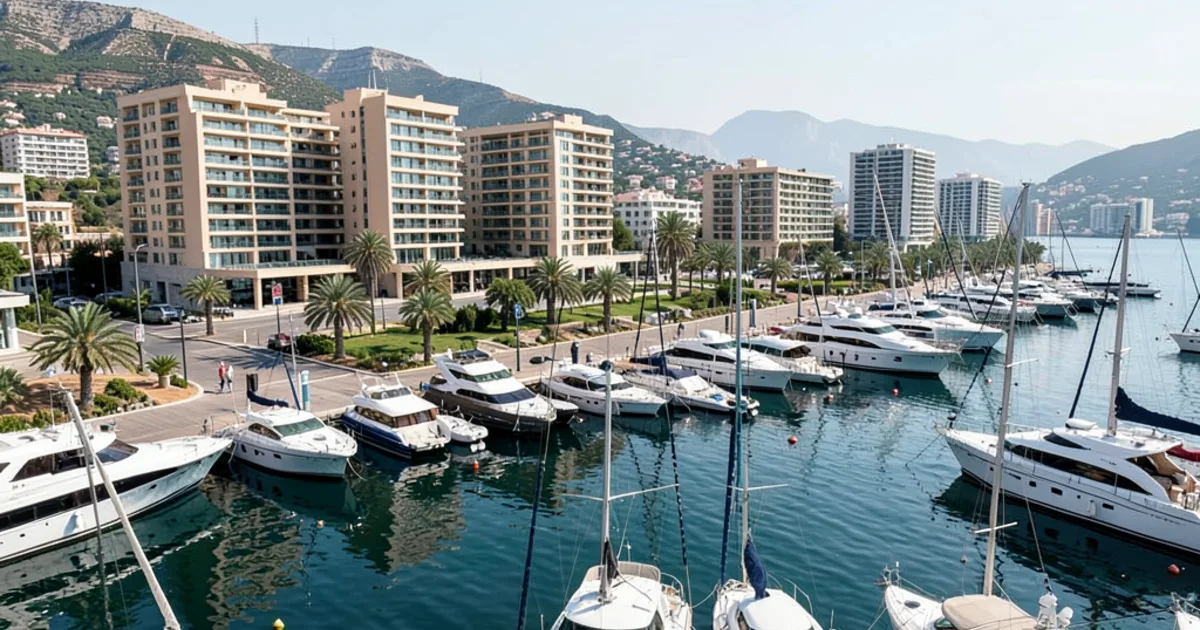
For many high-net-worth individuals and international professionals, the question of whether to rent or buy in Herzliya Pituach is more than just a financial calculation. It is a decision that defines one's integration into the Israeli lifestyle and long-term wealth management strategy. Whether you are drawn to the marina's energy or the quiet prestige of a Pituach villa, the implications of your choice are profound and multifaceted.
- The Financial Mechanics of Property Ownership in Herzliya
- The True Cost of Renting in a Premium Coastal Market
- Navigating Taxation: Mas Rekhisha and Mas Shevah
- Mobility and Flexibility: The Case for the Long-Term Tenant
- Stability and Equity: The Case for the Strategic Buyer
- Understanding the Local Neighborhood Dynamics
- The Role of the Tabu and Legal Security
- Managing Ongoing Costs: Arnona and Maintenance
- Risk Management: Market Fluctuations vs. Rental Inflation
- The Decision Matrix: Finding Your Ideal Path
The Financial Mechanics of Property Ownership in Herzliya
When considering a purchase in the prestigious Herzliya Pituach area, the initial capital outlay is the most significant hurdle for many international residents. Beyond the sticker price, one must account for the complexities of the Mashkanta, or mortgage, process, which requires rigorous documentation and often a substantial down payment. Navigating the Israeli banking system requires patience and a clear understanding of how interest rate structures might impact your long-term debt. It is essential to work with a local financial advisor to ensure your debt-to-income ratio aligns with local lending standards.
Once a price is agreed upon, the process moves into the legal phase, where the binding memorandum serves as the foundational contract for the transaction. This document outlines every detail of the sale, from the payment schedule to the specific conditions of the transfer. It is highly recommended to have a local lawyer review this memorandum to protect your interests against unforeseen clauses. The precision of this document is what ultimately ensures that the transition from tenant to owner is seamless and legally sound.
The final step in the ownership journey is the formal registration of the property within the Tabu, the official land registry. This step is what provides the ultimate legal security, confirming that you are indeed the recognized owner of the asset. Without successful registration in the Tabu, your claim to the property remains vulnerable to various legal disputes. For high-value assets in Herzliya, ensuring this process is completed correctly is non-negotiable for any serious investor or resident.
- Initial capital requirements and down payments
- Mashkanta (mortgage) structuring and interest rates
- The role of the binding memorandum in legal protection
- Finalizing ownership through the Tabu land registry
The True Cost of Renting in a Premium Coastal Market
Renting in Herzliya Pituach offers a unique form of lifestyle flexibility that is particularly attractive to those in transition. For individuals who have recently arrived in Israel or are currently enrolled in an Ulpan, renting provides a way to experience the neighborhood without a massive upfront commitment. This approach allows you to test the local amenities, such as the marina or the proximity to business hubs, before making a permanent decision. It effectively serves as a long-term 'test drive' of the coastal prestige that the area is known for.
However, it is important to recognize that rental payments do not contribute to the building of equity. Every shekel paid in rent is a lifestyle expense rather than a capital investment. For high-net-worth individuals, the opportunity cost of tied-up capital is a vital consideration; by renting, you keep your liquidity available for other global investments. While you miss out on potential property appreciation, you gain the ability to pivot your living situation rapidly as your professional or personal life evolves.
Tenants must also be mindful of the recurring costs that accompany even the most luxurious rental properties. While the landlord is typically responsible for major structural repairs, the tenant is often responsible for the Arnona, or municipal tax, and various utility costs. Furthermore, the cost of living in a high-end building often includes significant maintenance fees that can add to the monthly budget. Understanding these granular expenses is key to maintaining a realistic view of your monthly cash flow.
- High liquidity and capital preservation
- Flexibility to relocate between different neighborhoods
- Avoidance of heavy upfront transaction costs
- Ease of transition for expats and Ulpan students
Navigating Taxation: Mas Rekhisha and Mas Shevah
The taxation landscape in Israel can be intricate, particularly for high-value transactions in luxury coastal zones like Herzliya. The most immediate cost is Mas Rekhisha, the purchase tax, which is a mandatory levy paid to the state at the time of acquisition. This tax is calculated as a progressive percentage of the property's value, meaning that for luxury villas, the amount can be quite substantial. It is vital to budget for this amount separately from the purchase price to avoid liquidity issues during the closing process.
Beyond the initial acquisition, the long-term owner must consider the implications of Mas Shevah, which is the capital gains tax applied when the property is eventually sold. This tax is designed to capture a portion of the profit made on the appreciation of the asset over time. For many residents, understanding how Mas Shevah interacts with specific exemptions, such as those related to a primary residence, is a critical component of their exit strategy. Failing to plan for this tax can significantly erode the net returns on a real estate investment.
In addition to these major taxes, there are various administrative and legal costs that contribute to the total transaction burden. These include notary fees for certifying documents and potential municipal fees related to the transfer of ownership. While these might seem minor in isolation, they aggregate into a significant sum when dealing with premium real estate. A thorough consultation with a local tax professional is highly recommended to ensure all obligations are met and potential exemptions are maximized.
- Mas Rekhisha: Progressive purchase tax on acquisition
- Mas Shevah: Capital gains tax upon eventual sale
- Notary and legal documentation expenses
- Potential municipal administrative fees
Mobility and Flexibility: The Case for the Long-Term Tenant
For the international professional, mobility is often a core requirement of their lifestyle. Renting in Herzliya Pituach provides an exit strategy that is much simpler than selling a high-value asset. If a job opportunity arises elsewhere or if a family's needs change, a tenant can typically conclude their residency with a standard notice period. This lack of 'lock-in' is a significant advantage for those whose presence in Israel may be subject to shifting global economic conditions.
Renting also allows for a more seamless transition between the different micro-climates of Herzliya. One might start by renting a modern apartment near the Marina to be close to the social pulse, and later move to a larger villa in the heart of Pituach as the family grows. This ability to scale your living space up or down without the friction of a real estate transaction is a luxury in itself. It allows your housing to evolve in real-time with your life stages.
Furthermore, the rental market in Herzliya is highly sophisticated, offering a wide array of premium products. From serviced apartments to luxury penthouses, the rental options cater to a diverse range of high-end tastes. This variety ensures that even without ownership, a resident can maintain a standard of living that matches their professional success. The ability to access premium real estate through rental agreements is a key feature of the local market's maturity.
- Rapid adaptation to professional changes
- Seamless scaling of living space (up or down)
- Access to diverse premium rental products
- Reduced psychological burden of property management
Stability and Equity: The Case for the Strategic Buyer
For those seeking long-term permanence, buying in Herzliya Pituach offers a level of stability that renting cannot match. Ownership provides a sense of 'home' that is central to many families' integration into Israeli society. When you own your property, you have the ultimate authority over your environment, from interior design to major renovations. This ability to customize your living space allows you to create a sanctuary that truly reflects your personal identity and long-term needs.
From a wealth-building perspective, real estate in premium coastal areas has historically served as a hedge against inflation. While rental prices can fluctuate based on market demand, owning a high-quality asset allows you to capture the long-term appreciation of the land. Over many years, the equity built through mortgage principal payments and market growth can become a cornerstone of a family's net worth. This makes buying a strategic move for those looking to anchor their wealth in a stable, high-demand region.
Ownership also provides protection against the volatility of the rental market. In periods of high demand, landlords may attempt to significantly increase rents, creating uncertainty for long-term tenants. An owner, however, is insulated from these market shifts, enjoying the peace of mind that comes with fixed housing costs (excluding variable maintenance and taxes). For families planning to remain in the area for a decade or more, the financial predictability of ownership is a compelling argument.
- Psychological and social stability of homeownership
- Total control over property customization and renovations
- Long-term capital appreciation and wealth building
- Protection against rising rental market inflation
Understanding the Local Neighborhood Dynamics
Herzliya Pituach is not a monolith; it is a collection of distinct micro-neighborhoods, each offering a different lifestyle. The Marina area is characterized by its cosmopolitan energy, high-density luxury apartments, and proximity to world-class dining and yachting. This is an ideal location for those who prefer a vibrant, walkable lifestyle and want to be at the center of the social scene. It appeals strongly to younger professionals and international residents who value convenience and social connectivity.
In contrast, the heart of Pituach is the domain of the grand villa. These properties offer more privacy, larger plots of land, and a quieter, more residential atmosphere. This area is often the preferred choice for established families who require space, gardens, and a sense of seclusion. The lifestyle here is more centered around the home and private leisure, providing a calm retreat from the bustle of the city center and the business districts.
The Nof Yam area and the coastal stretch offer a unique blend of sea views and premium living. Properties here are often defined by their relationship to the Mediterranean, with many offering breathtaking vistas. This location attracts those who prioritize the natural beauty of the coast and the tranquil rhythm of the sea. Whether you choose the Marina, Pituach, or the coast, understanding these nuances is essential to matching your living environment with your personal values.
- Marina: Cosmopolitan, high-energy, and social
- Pituach: Private, spacious, and family-oriented
- Coastal/Nof Yam: Scenic, tranquil, and sea-focused
- Proximity to business hubs and international schools
The Role of the Tabu and Legal Security
In the Israeli real estate context, the Tabu is the ultimate authority on property ownership. It is the official land registry where all rights, liens, and ownership details are recorded. For any buyer, the primary goal of the entire transaction is to ensure that the property is correctly and securely registered in their name within this system. This legal certainty is what transforms a mere agreement into a protected real estate asset.
A critical part of achieving this security is the thorough investigation of the property's history. A local agency or legal counsel will typically conduct a search to ensure there are no undisclosed encumbrances, such as existing mortgages or legal disputes, that could cloud the title. This due diligence is especially important in luxury markets where property values are high and the complexity of ownership structures can be significant. Skipping this step can lead to catastrophic legal complications in the future.
The role of the notary is also vital in this process, providing the necessary certification for various legal documents and signatures. The notary ensures that the identities of the parties are verified and that the formal requirements of Israeli law are met. While the lawyer manages the negotiation and the contract, the notary provides the official stamp of legitimacy required for the government and the Tabu to recognize the transaction. Together, these professionals form the backbone of a secure real estate acquisition.
- Verification of ownership through the Tabu registry
- Due diligence to uncover liens or encumbrances
- The importance of professional legal counsel
- Notary certification for legal validity
Managing Ongoing Costs: Arnona and Maintenance
Owning or renting premium real estate in Herzliya involves a suite of ongoing costs that must be factored into your annual budget. The most prominent of these is the Arnona, the municipal tax levied by the municipality. This tax is based on the size and location of the property and is essential for funding local services like waste management, street lighting, and public infrastructure. While the amount can vary significantly between a small apartment and a large villa, it is a constant factor in the cost of living.
For those living in managed buildings or gated communities, maintenance fees (often referred to as Va'ad Bayit) are another significant expense. These fees cover the upkeep of common areas, such as lobbies, elevators, swimming pools, and landscaping. In high-end developments in Pituach or near the Marina, these costs can be quite substantial due to the high standard of maintenance required. Tenants usually pay a portion of these through their rent, but owners are directly responsible for the full amount.
Property owners must also budget for unexpected repairs and long-term maintenance cycles. A luxury villa requires constant attention to its gardens, pool, and structural integrity to maintain its value. Unlike a renter, who can simply call a landlord when a pipe bursts, an owner must manage these logistics personally or through a property management service. Planning for these 'hidden' costs is the difference between a smooth living experience and a financial headache.
- Arnona: Mandatory municipal service tax
- Va'ad Bayit: Maintenance of common areas and amenities
- Personal upkeep of private gardens and pools
- Budgeting for long-term structural maintenance
Risk Management: Market Fluctuations vs. Rental Inflation
Every real estate decision carries a degree of risk, and in Herzliya Pituach, the two primary risks are market volatility and rental inflation. Market volatility refers to the possibility that property values might stagnate or decline due to broader economic shifts or changes in interest rates. For an owner, this represents a risk to their net worth and their ability to exit the investment at a profit. While the coastal market is generally robust, no asset is entirely immune to the cycles of the global economy.
On the other hand, renters face the risk of rental inflation. In high-demand areas like Herzliya, the supply of luxury rental units can be limited, giving landlords significant leverage during lease renewals. This can lead to sudden and substantial increases in monthly housing costs, which can disrupt a household's financial planning. For those who rely on renting to maintain liquidity, the rising cost of housing can eventually erode the benefits of that flexibility.
A sophisticated approach to these risks involves looking at the correlation between the two. Often, when property values rise, rental prices follow suit. By understanding these market dynamics, you can make a more informed decision based on your own risk tolerance. An owner accepts the risk of market fluctuations in exchange for capital gains, while a renter accepts the risk of rising costs in exchange for liquidity and mobility. Both paths require careful monitoring of the local economic landscape.
- Risk of property value fluctuations (Market Risk)
- Risk of rising monthly housing costs (Inflation Risk)
- Impact of interest rate changes on Mashkanta
- Balancing liquidity against capital appreciation
The Decision Matrix: Finding Your Ideal Path
Ultimately, the choice between renting and buying in Herzliya Pituach comes down to a personal intersection of finance, timing, and lifestyle. There is no single 'correct' answer that applies to everyone; instead, there is a decision that is correct for your specific circumstances. You must weigh your need for immediate mobility against your desire for long-term stability. You must also consider whether your current capital is better served as a liquid investment or as an anchor in the local real estate market.
If your primary goal is to integrate into Israel while maintaining maximum flexibility, renting is likely the superior path. It allows you to navigate the complexities of a new country, such as learning Hebrew or finding a job, without the heavy burden of property ownership. However, if you view Herzliya as your permanent home and seek to build a generational legacy, buying offers unparalleled advantages in terms of equity and control. The decision should be made with a clear view of your five-to-ten-year horizon.
We recommend a staged approach for many international residents: start with a high-quality rental to understand the nuances of the neighborhood and the local lifestyle. This period of observation allows you to build local connections, understand the municipal services, and observe market trends from the inside. Once you have achieved a level of comfort and clarity, you can transition into the buying process with confidence. This measured approach minimizes risk and maximizes the potential for a successful long-term outcome.
- Assess your long-term residency intentions
- Evaluate your current need for capital liquidity
- Determine your tolerance for market volatility
- Consider a 'rent-to-buy' transition strategy
FAQ
Is it common for expats to rent before buying in Herzliya Pituach?
Yes, many international residents choose to rent initially to familiarize themselves with the different neighborhoods and local lifestyle. This period allows them to settle into the country and observe the real estate market before making a large capital commitment.
What are the main taxes I should expect when buying a home in Israel?
The primary taxes are Mas Rekhisha (purchase tax) at the time of acquisition and Mas Shevah (capital gains tax) when you eventually sell the property. You should also account for notary fees and legal costs involved in the transaction.
Does renting in Herzliya include the cost of Arnona?
In most luxury rental agreements, the tenant is responsible for paying the Arnona, which is the municipal tax. However, it is always important to verify the specific terms of your lease agreement with the landlord or local agency.
How does the Tabu affect my security as a property owner?
The Tabu is the official land registry that provides legal proof of your ownership. Ensuring your property is correctly registered in the Tabu is the most critical step in protecting your investment and securing your rights as an owner.
Get your personalised shortlist
Listings and up-to-date info, straight to your inbox, free, no obligation.
See Herzliya homes →