What are the specific capital gains tax exemptions or deferrals for Israeli residents selling a primary residence in Herzliya after 10 years?
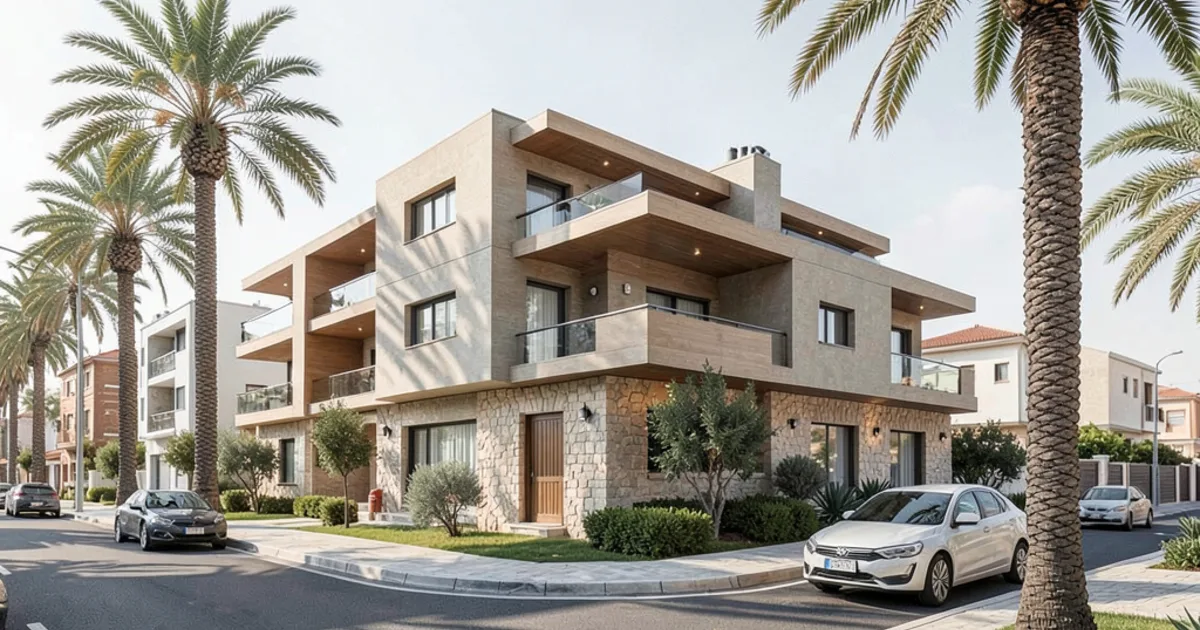
For Israeli residents who have called Herzliya home for a significant period, selling their primary residence can present unique financial opportunities, particularly concerning capital gains tax. This comprehensive guide delves into the intricate regulations surrounding Mas Shevah, Israel’s capital gains tax on real estate, focusing specifically on the exemptions and deferrals available to those selling their main dwelling in Herzliya after a decade or more of ownership. Understanding these provisions is crucial for maximizing your net proceeds and navigating the sale process with confidence and clarity, whether your property is in the prestigious Herzliya Pituach, the bustling City Centre, or the serene Nof Yam.
- Understanding Capital Gains Tax (Mas Shevah) in Israel
- Defining 'Primary Residence' for Tax Purposes in Herzliya
- The Significance of 10 Years of Ownership for Israeli Residents
- Key Capital Gains Tax Exemption for Primary Residence Sales
- Understanding the 'Improvement Exemption' and its Application
- Potential Deferrals: Reinvesting Sale Proceeds in a New Primary Home
- The Importance of Tabu (Land Registry) and Documentation
- Navigating the Sale Process: Practical Steps for Herzliya Residents
- Anticipating Objections and Common Pitfalls
- Strategic Financial Planning and Expert Consultation
- Conclusion: Maximizing Your Herzliya Home Sale
Understanding Capital Gains Tax (Mas Shevah) in Israel
Mas Shevah, or capital gains tax, is levied on the profit derived from the sale of real estate in Israel. This profit is essentially the difference between the sale price and the adjusted acquisition cost, which includes the original purchase price, certain approved expenses like legal fees, agent commissions, and renovation costs, all adjusted for inflation. The Israeli Tax Authority aims to tax the 'real' increase in value, not just the nominal increase.
The calculation of Mas Shevah can be complex, involving various deductions and adjustments that a qualified tax advisor or real estate attorney will typically handle. It's not simply a flat percentage of your profit; rather, it considers the period of ownership, the type of property, and the seller's residency status. For primary residences, specific rules apply that are designed to alleviate the tax burden on homeowners.
Understanding the fundamentals of Mas Shevah is the bedrock upon which we can then explore the exemptions. Without a clear grasp of what is being taxed, the benefits of exemption become less comprehensible. This tax is a significant factor in any real estate transaction in Israel, and anticipating its impact is key to prudent financial planning.
Defining 'Primary Residence' for Tax Purposes in Herzliya
The classification of a property as a 'primary residence' is paramount for eligibility for most capital gains tax exemptions. In Israel, this typically means the property has served as the seller's main dwelling for a continuous period, usually for a minimum duration stipulated by law. The Israeli Tax Authority scrutinizes this claim to prevent abuse of the exemptions.
Factors considered include where the seller's main center of life is located, such as where their children attend school, where they receive mail, and where their utility bills are registered. Having only one residential property registered in one's name is often a strong indicator, but not the sole determinant. Owning other properties, even if rented out, can complicate the classification.
For residents of Herzliya, whether in a luxury villa in Herzliya Pituach, an apartment in the City Centre, or a family home in Nof Yam, establishing the property as your genuine primary residence is the first critical step. It signifies that the property is truly your home, rather than an investment vehicle, which is the underlying philosophy behind the exemptions for primary dwellings.
The Significance of 10 Years of Ownership for Israeli Residents
The 10-year ownership period is a crucial threshold in Israeli real estate tax law, particularly when it comes to Mas Shevah. While specific rules can vary and are subject to legislative changes, a longer ownership period for a primary residence often correlates with more favorable tax treatment or eligibility for certain exemptions. This duration reflects a long-term commitment to the property as a home.
Historically, the Israeli tax code has often provided more generous exemptions for properties held for extended periods, recognizing that longer ownership often implies a genuine primary residence rather than a speculative investment. This approach aims to support long-term homeowners and families rather than short-term real estate traders.
For Herzliya residents, having owned and resided in their property for a decade or more can open doors to specific exemptions that might not be available to those with shorter ownership spans. This longevity demonstrates a sustained connection to the property and the community, which is often viewed favorably by tax regulations designed to support stable homeownership.
Key Capital Gains Tax Exemption for Primary Residence Sales
The primary and most significant exemption for Israeli residents selling their main residence is often referred to as the 'once-in-a-lifetime' or 'period-based' exemption. This allows a seller to be exempt from Mas Shevah on the sale of their primary dwelling, provided certain conditions are met, including the ownership period and the absence of other primary residences sold with an exemption within a specific timeframe.
One common iteration of this exemption allows for the sale of a primary residence without Mas Shevah, provided the seller has not enjoyed a similar exemption on another property sale within a designated number of years (e.g., the last four years, though this specific period can change). This ensures the exemption is genuinely for a primary home and not exploited for multiple investment properties.
For a Herzliya resident selling their long-term home, this exemption can translate into substantial savings, potentially eliminating the entire tax burden on their capital gain. It’s essential to verify the current specific criteria and the look-back period with a tax professional, as these rules are subject to legislative updates and interpretations by the Israeli Tax Authority.
Understanding the 'Improvement Exemption' and its Application
Beyond the general primary residence exemption, there are often provisions related to 'improvements' made to the property. While not a direct capital gains exemption in the same vein, certain approved expenses incurred during ownership, such as significant renovations, additions, or structural enhancements, can be deducted from the capital gain, effectively reducing the taxable profit.
These deductible expenses must be legitimate, documented, and materially enhance the value or utility of the property. Examples include adding a new room, significantly upgrading plumbing or electrical systems, or substantial landscaping improvements. Routine maintenance or cosmetic changes typically do not qualify as deductible improvements.
For Herzliya homeowners who have invested significantly in their property over their 10+ years of ownership, meticulously documenting these expenses can be highly beneficial. Keeping records of invoices, permits, and payment receipts is crucial, as these can significantly lower the calculated Mas Shevah, even if a full exemption isn't applicable or chosen.
Potential Deferrals: Reinvesting Sale Proceeds in a New Primary Home
In certain scenarios, instead of a full exemption, Israeli law may offer deferral options for Mas Shevah, particularly when the proceeds from the sale of a primary residence are reinvested into acquiring a new primary residence within a specified timeframe. This mechanism aims to facilitate continuity in homeownership without immediate tax penalties.
The principle behind deferral is to allow homeowners to transition from one primary residence to another without being immediately burdened by capital gains tax on the sale of the first. The capital gain tax liability is not erased but rather postponed until the sale of the subsequent property, potentially at a later date or under different tax circumstances.
This can be a strategic option for Herzliya residents looking to upgrade or downsize within the city, or even relocate to another part of Israel, while maintaining their primary residence status. The exact conditions for deferral, including the timeframe for reinvestment and the nature of the new property, require careful legal and tax consultation to ensure compliance.
The Importance of Tabu (Land Registry) and Documentation
The Tabu, or Israel Land Registry, plays a critical role in all real estate transactions and tax matters. It is the official record of property ownership, liens, and rights. Accurate and up-to-date registration in the Tabu is fundamental for proving ownership, calculating ownership periods, and ensuring a smooth transaction.
For tax purposes, the date of registration in the Tabu or the binding memorandum of sale (whichever is earlier) is often used to determine the start of the ownership period for Mas Shevah calculations. Any discrepancies or delays in Tabu registration can complicate the sale process and impact eligibility for exemptions.
Herzliya homeowners must ensure their property details are correctly recorded in the Tabu. Beyond the Tabu, maintaining a meticulous archive of all relevant documents, purchase agreements, renovation invoices, utility bills, and previous tax assessments, is indispensable. These documents serve as concrete evidence for the Israeli Tax Authority when assessing eligibility for exemptions or deferrals.
Navigating the Sale Process: Practical Steps for Herzliya Residents
Selling a property in Herzliya, especially after a long period of ownership, involves several key steps beyond just listing the property. It begins with obtaining an up-to-date appraisal to set a realistic asking price, understanding the local market dynamics in areas like Herzliya Pituach, City Centre, or Nof Yam.
Securing professional legal representation is paramount. An Israeli real estate attorney will draft the binding memorandum and the full sale agreement, conduct due diligence, verify Tabu registration, and ensure all legal aspects are compliant. They will also coordinate with the tax authorities regarding Mas Shevah and Mas Rekhisha (purchase tax for the buyer).
Finally, engaging a qualified tax advisor or a real estate attorney specializing in tax law is crucial. They will analyze your specific situation, determine eligibility for exemptions or deferrals, calculate potential Mas Shevah, and guide you through the submission of necessary forms to the Israeli Tax Authority. This proactive approach minimizes surprises and optimizes your financial outcome.
Anticipating Objections and Common Pitfalls
The Israeli Tax Authority is vigilant in preventing the misuse of primary residence exemptions. One common pitfall is attempting to claim a property as a primary residence when it has primarily served as an investment property or has been rented out for significant periods. Such claims are often challenged and require substantial evidence to prove genuine residency.
Another area of scrutiny involves the timing of sales and previous exemptions. If a seller has utilized a similar exemption on another property sale within the statutory 'look-back' period, they will likely be ineligible for the current exemption. Miscalculating this period or failing to disclose previous exemptions can lead to significant penalties.
Lack of proper documentation is a frequent cause of denied deductions or exemptions. Without clear records of purchase costs, renovation expenses, or proof of residency, the Tax Authority may disallow claims. Therefore, meticulous record-keeping throughout the ownership period is not merely a suggestion but a necessity for Herzliya homeowners planning to sell after a decade or more.
Strategic Financial Planning and Expert Consultation
For Herzliya residents considering selling their primary residence after 10 years, strategic financial planning should begin well in advance of listing the property. This involves a comprehensive review of your financial situation, future housing plans, and potential tax liabilities. Understanding the nuances of Mas Shevah and available exemptions is central to this planning.
Consulting with a team of experts is not just advisable; it's essential. This team should ideally include a seasoned Israeli real estate agent with local Herzliya market expertise, a reputable Israeli real estate attorney, and a tax advisor specializing in Israeli property law. Each professional brings a unique perspective and expertise crucial for a successful and tax-efficient sale.
These professionals can help you navigate complex terms like Arnona (municipal property tax), Mashkanta (mortgage considerations), and even cultural aspects like the ulpan (intensive Hebrew language course, sometimes relevant for new immigrants' tax status). Their combined knowledge ensures that every aspect, from valuation to legalities and taxation, is handled with precision, safeguarding your interests and maximizing your net proceeds from the sale of your cherished Herzliya home.
Conclusion: Maximizing Your Herzliya Home Sale
Selling a primary residence in Herzliya after a decade or more of ownership presents a unique opportunity to benefit from significant capital gains tax exemptions and deferrals. The Israeli tax system, while complex, offers specific provisions designed to support long-term homeowners, recognizing their contribution to stable communities in areas from Herzliya Pituach to Nof Yam.
The key to unlocking these benefits lies in a thorough understanding of the regulations, meticulous documentation, and proactive engagement with expert professionals. From accurately defining your property as a primary residence to understanding the specific conditions of the 'once-in-a-lifetime' exemption or potential deferrals, every detail matters.
By taking a strategic approach, Herzliya residents can navigate the sale process with confidence, ensuring they capitalize on every available tax advantage. This not only maximizes the financial return from their property but also ensures compliance with Israeli tax law, paving the way for a smooth and successful transition to their next chapter.
FAQ
Can I use the primary residence exemption if I own another property that I rent out?
Generally, owning another property that is rented out does not automatically disqualify you from the primary residence exemption, provided the property being sold genuinely served as your main dwelling. The Israeli Tax Authority will scrutinize the claim to ensure it was indeed your 'center of life' for the required period.
What if I bought my Herzliya home with a Mashkanta (mortgage)? How does that affect Mas Shevah?
Having a Mashkanta (mortgage) on your Herzliya home does not directly impact the calculation of Mas Shevah or your eligibility for exemptions. The capital gains tax is calculated on the profit from the sale, irrespective of how the property was financed. However, the mortgage must be fully settled during the sale process.
Is there a limit to the value of the primary residence for the exemption to apply?
Yes, there can be a monetary ceiling for the capital gains tax exemption on a primary residence. If the value of the property exceeds a certain threshold, the exemption may be partial, or the portion above the threshold might be subject to tax. This threshold is periodically adjusted by the Israeli Tax Authority.
How long after selling my primary residence do I have to purchase a new one to qualify for a deferral?
The specific timeframe for reinvesting the proceeds from a primary residence sale into a new primary residence to qualify for a deferral can vary but is typically within a defined period, often one or two years. It's crucial to confirm the current statutory period with a tax professional, as these rules are subject to change.
Get your personalised shortlist
Listings and up-to-date info, straight to your inbox, free, no obligation.
See Herzliya homes →