Herzliya real estate guide
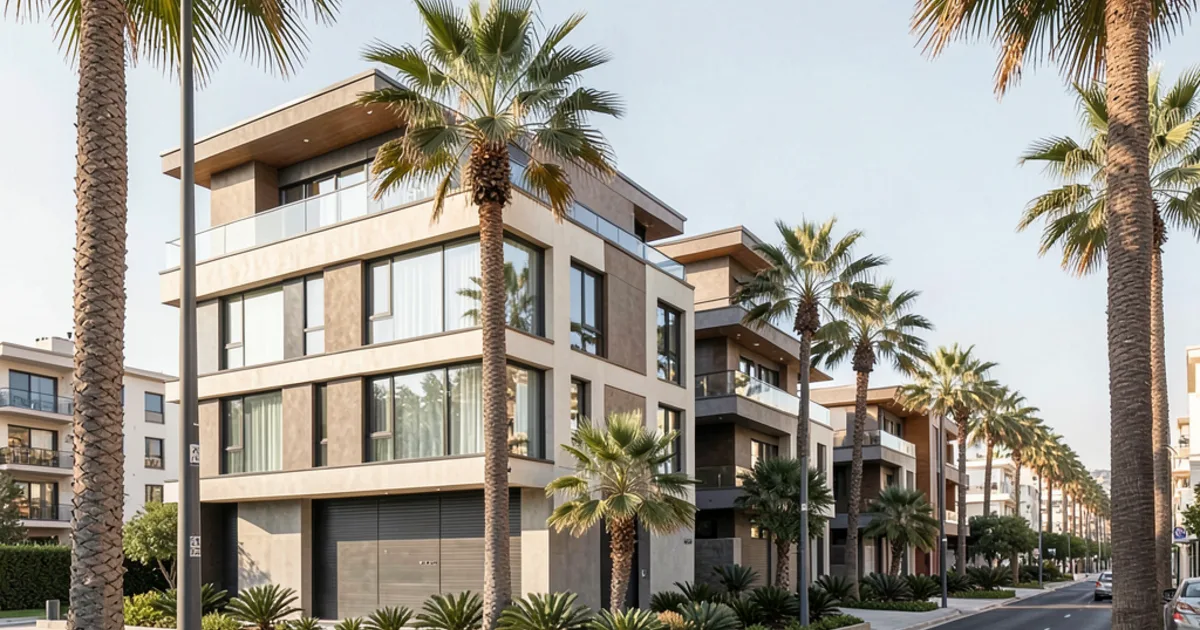
Herzliya stands as a beacon of coastal prestige, offering a unique blend of high-octane business energy and serene Mediterranean luxury. For those looking to invest or relocate, the city represents one of the most sought-after real estate markets in Israel. This guide provides a professional roadmap through the complexities of the local market, from neighborhood selection to the intricacies of Israeli tax law. Whether you are seeking a beachfront villa or a modern urban apartment, understanding the structural mechanics of this market is essential for a successful acquisition.
- The Strategic Appeal of the Herzliya Real Estate Market
- Navigating Key Neighborhoods: From Pituach to Nof Yam
- Understanding Israeli Property Taxes: Mas Rekhisha and Mas Shevah
- The Legal Framework: Navigating the Tabu and the Binding Memorandum
- Financing Your Purchase: The Mashkanta Process in Israel
- The Role of the Herzliya Municipality and Local Governance
- Effective Search Strategies: Leveraging Local Expertise
- Special Considerations for International Buyers
- Property Management and Long-Term Ownership
- Investment Potential vs. Lifestyle Living
- The Roadmap: Essential Steps from Search to Moving In
The Strategic Appeal of the Herzliya Real Estate Market
Herzliya has long been recognized as a premier destination for both high-net-worth individuals and savvy institutional investors. The city's unique positioning allows it to function simultaneously as a global business hub and a tranquil residential retreat. This dual identity creates a resilient market where demand for luxury housing remains consistently high regardless of broader economic shifts. The proximity to major economic centers combined with the allure of the Mediterranean coastline makes it a standout choice in the Israeli landscape.
The market is characterized by a high degree of sophistication and a preference for high-quality construction. Unlike more volatile urban centers, Herzliya often commands a premium due to its reputation for safety, cleanliness, and world-class amenities. Investors frequently look toward the city not just for capital appreciation, but for the stability that such a prestigious location provides. This stability is bolstered by a well-structured municipal framework that prioritizes urban planning and high-end development.
Understanding the market requires acknowledging the interplay between lifestyle and investment potential. Many buyers enter the market with the intention of creating a primary residence, which often leads to a long-term holding strategy. This long-term approach contributes to the overall stability of property values within the city. For those looking at the rental market, the professional demographic attracted to Herzliya Pituach ensures a steady stream of high-quality tenants.
However, the prestige of the area also means that the barrier to entry is higher than in many other Israeli cities. The competition for prime locations, particularly those with unobstructed sea views or proximity to the business district, is intense. Success in this market requires a proactive approach and a willingness to engage with local expertise to secure the best possible opportunities. This guide is designed to demystify those complexities and provide you with a clear path forward.
Navigating Key Neighborhoods: From Pituach to Nof Yam
Herzliya is not a monolithic market; it is a collection of distinct micro-markets, each offering a different lifestyle and investment profile. The first and perhaps most famous area is Herzliya Pituach, which serves as the city's economic engine. This district is a blend of high-end commercial office spaces and ultra-luxury residential villas. It attracts professionals who wish to live within walking distance of their high-level business engagements, creating a very specific and high-demand residential niche.
For those whose priority is the immediate proximity to the sea, Nof Yam offers an unparalleled coastal experience. This neighborhood is characterized by luxury apartment buildings that often feature expansive balconies and panoramic Mediterranean views. The lifestyle here is centered around the beach, sailing, and outdoor leisure. It is a highly coveted area where the scarcity of beachfront property keeps demand consistently elevated, making it a cornerstone of the city's premium real estate sector.
The City Centre provides a different, more urbanized atmosphere that appeals to a diverse demographic. This area is more connected to the municipal services and the bustling daily life of the city, offering a sense of community and convenience. It is often preferred by those who want to be in the heart of the action, with easy access to transport links and local amenities. The property types here vary from older, character-filled buildings to modern, mid-rise apartment complexes.
Beyond these primary hubs, other residential zones offer a more tranquil, family-oriented environment. These areas typically feature larger apartment layouts and are situated closer to schools and local parks. They provide a more traditional residential feel while still benefiting from the overall prestige and infrastructure of the Herzliya municipality. Choosing the right neighborhood depends entirely on whether your goal is investment yield, proximity to work, or a specific lifestyle preference.
- Herzliya Pituach: High-end villas and business-centric luxury.
- Nof Yam: Premier beachfront living and high-rise luxury apartments.
- City Centre: Urban convenience and diverse residential options.
- Residential West/East: Family-oriented environments and community focus.
Understanding Israeli Property Taxes: Mas Rekhisha and Mas Shevah
Entering the Israeli real estate market requires a clear understanding of the tax implications associated with both buying and selling. The first major consideration is Mas Rekhisha, also known as the Purchase Tax. This is a progressive tax levied on the buyer at the time of acquisition. The rate of the tax depends on several factors, including the buyer's status (such as whether they are a first-time buyer) and the total value of the property. It is essential to calculate this cost early in your budgeting process to avoid unexpected financial strain.
Once you have owned the property, the next significant tax to consider is Mas Shevah, or Capital Gains Tax. This tax is triggered when you decide to sell the property and is calculated based on the difference between the purchase price and the sale price. While there are certain exemptions available, for instance, for a primary residence under specific conditions, it is a crucial component of your long-term exit strategy. Understanding how Mas Shevah applies to your specific situation can significantly impact your net return on investment.
In addition to these major taxes, there are various smaller costs that accumulate during a transaction. These can include legal fees for the drafting of the binding memorandum, notary fees for specific document authentications, and potential real estate agency commissions. While these may seem minor in isolation, they collectively represent a non-negligible portion of the total transaction cost. A well-prepared buyer will factor these into their initial capital requirements.
It is also important to be aware of the municipal taxes, known as Arnona, which are billed by the Herzliya municipality. Arnona is a recurring tax based on the size and location of the property. Unlike the one-time purchase tax, Arnona is an ongoing operational cost of ownership. Managing these recurring expenses is a fundamental part of property management, especially if you intend to use the property as a rental investment.
- Mas Rekhisha (Purchase Tax): A progressive tax paid by the buyer at acquisition.
- Mas Shevah (Capital Gains Tax): A tax on the profit realized upon the sale of a property.
- Arnona: Ongoing municipal property tax based on property size and location.
- Transaction Costs: Includes legal fees, notary fees, and agency commissions.
The Legal Framework: Navigating the Tabu and the Binding Memorandum
The legal security of a real estate transaction in Israel relies heavily on the Tabu, the official Land Registry. The Tabu is the definitive source of truth regarding property ownership, boundaries, and any existing liens or encumbrances. Before committing to a purchase, it is imperative to verify that the seller is the registered owner in the Tabu and that the property is free from legal complications. A professional legal review of the Tabu records is a non-negotiable step in the due diligence process.
Once a property is selected, the transaction moves toward the creation of a binding memorandum, often referred to as the purchase agreement. This document is the cornerstone of the deal, outlining the terms of sale, the payment schedule, and the responsibilities of both parties. Because Israeli real estate law can be nuanced, this memorandum should be drafted by a qualified attorney to ensure that your interests are fully protected. This document becomes the legal basis for the transfer of rights.
A critical part of the legal process involves the role of a notary. In many real estate transactions, a notary is required to witness signatures and authenticate documents, particularly when dealing with international buyers or powers of attorney. The notary ensures that the execution of documents meets the formal requirements of Israeli law. This adds a layer of officiality and security to the transaction, especially when parties are not physically present in the same location.
Beyond the initial contract, the process of transferring ownership involves several administrative steps to ensure the Tabu is updated correctly. This transition can sometimes take time, and it is important to understand the distinction between having a signed contract and having the property officially registered in your name. A competent lawyer will manage this entire lifecycle, ensuring that the transfer of rights is seamless and legally sound.
Financing Your Purchase: The Mashkanta Process in Israel
For many buyers, securing a Mashkanta, or mortgage, is a central component of the acquisition strategy. The Israeli mortgage market is well-regulated, but it requires a deep understanding of different interest rate structures and repayment terms. Banks in Israel typically offer various types of loans, including fixed-rate, variable-rate, and floating-rate options. Choosing the right mix of these components is vital to managing your long-term financial risk and ensuring your monthly payments remain manageable.
The approval process for a Mashkanta involves a rigorous assessment of your financial standing by the lending institution. Banks will examine your income, existing debts, credit history, and the overall value of the property being purchased. It is advisable to obtain a pre-approval before you begin your property search in Herzliya. This not only strengthens your position when negotiating with sellers but also gives you a realistic understanding of your purchasing power.
One of the most important aspects of a mortgage in Israel is the concept of 'linked' vs. 'unlinked' loans. Some loans are linked to the Consumer Price Index (CPI), meaning the principal and interest payments can fluctuate based on inflation. While unlinked loans may offer lower initial rates, they carry different risks. A professional financial adviser can help you navigate these complexities to build a mortgage structure that aligns with your risk tolerance and economic outlook.
Once the mortgage is approved, the bank will work closely with your attorney to ensure that the funds are released only when certain legal conditions are met. The bank will also require the registration of a lien on the property as security for the loan. This integrated process between the bank, the buyer, and the legal counsel is designed to protect all parties involved and ensure the smooth flow of capital during the closing stages.
The Role of the Herzliya Municipality and Local Governance
The Herzliya municipality plays a pivotal role in shaping the real estate landscape through urban planning and zoning regulations. The municipality's decisions regarding new developments, infrastructure improvements, and public spaces directly impact property values in specific neighborhoods. For example, a new park or a transit improvement project can significantly enhance the desirability of an area. Staying informed about local municipal plans can provide a strategic advantage for long-term investors.
Zoning laws (Tzomet) are another critical factor to consider. These laws dictate what can be built on a specific plot of land, whether it is residential, commercial, or mixed-use. When evaluating a potential property, especially one with development potential, it is essential to verify the zoning status with the municipality. This prevents the costly mistake of purchasing a property under the assumption that it can be expanded or repurposed in a way that is legally prohibited.
The municipality is also responsible for the maintenance of public infrastructure, which includes roads, lighting, and waste management. The high standard of these services in Herzliya is a major reason for the city's prestige. Furthermore, the municipality manages the collection of Arnona, which funds these essential services. A well-managed city with a proactive local government creates a stable environment that supports both residential satisfaction and commercial growth.
Effective Search Strategies: Leveraging Local Expertise
Finding the right property in a competitive market like Herzliya requires a disciplined and strategic approach. Relying solely on public online listings may not provide the full picture, as many premium properties are sold through private networks or before they ever reach a public portal. A multi-faceted search strategy that combines digital research with direct engagement is often the most effective way to uncover high-quality opportunities.
Engaging a local real estate agency can be a significant advantage. Experienced agencies have deep knowledge of the various micro-markets within Herzliya and often have early access to new listings. They can act as intermediaries, helping you navigate negotiations and providing insights into the motivations of sellers. However, it is important to vet agencies carefully to ensure they have a proven track and a deep understanding of your specific requirements.
When viewing properties, it is crucial to look beyond the aesthetic appeal. A professional eye should be trained to notice the quality of construction, the state of the building's common areas, and the potential for future maintenance issues. It is also important to assess the 'feel' of the neighborhood at different times of the day. A street that is quiet during a Tuesday afternoon might be quite busy on a Friday evening, which could impact your lifestyle choices.
Due diligence should be an ongoing part of your search, not just a final step. This includes checking the history of the building, verifying the legality of any renovations, and understanding the rules of the homeowners' association (Va'ad Bayit). The more information you gather during the viewing stage, the more confident you will be when it comes time to make a formal offer.
- Utilize diverse search channels: Online portals, local agencies, and personal networks.
- Engage local expertise: Use agencies to access off-market opportunities.
- Conduct thorough viewings: Assess construction quality and neighborhood atmosphere.
- Prioritize due diligence: Investigate building history and homeowners' association rules.
Special Considerations for International Buyers
For international buyers, the Herzliya real estate market presents unique challenges that require careful preparation. One of the primary hurdles is the language barrier. While many professionals in Herzliya speak English, the legal and official documents, such as those from the Tabu or the municipality, will be in Hebrew. Enrolling in an Ulpan (Hebrew language school) or hiring professional translators is essential to ensure you fully comprehend the legalities of your transaction.
Currency exchange and the movement of large sums of money across borders also require strategic planning. Fluctuations in exchange rates can significantly impact your purchasing power and the final cost of the property. It is often wise to work with specialized financial institutions that understand the complexities of international transfers to Israel. Planning your capital movement well in advance of the closing date can mitigate these risks.
The process of Aliyah (immigration to Israel) can also intersect with your real estate goals. If you are moving to Israel under the auspices of the Jewish Agency (Sokhnut), there may be specific programs or considerations related to housing and integration. Understanding how your immigration status might affect your tax obligations or your ability to secure a Mashkanta is a vital part of your transition to life in Herzliya.
Finally, the concept of 'ownership' can sometimes feel different due to the legal nuances of the Israeli system. It is highly recommended that international buyers work with a legal team that is accustomed to representing foreign clients. This ensures that they can bridge the gap between your home country's legal expectations and the realities of the Israeli framework, providing you with peace of mind throughout the process.
Property Management and Long-Term Ownership
Once the acquisition is complete, the focus shifts from finding a property to managing it effectively. For those who view their Herzliya property as an investment, professional property management can be an invaluable asset. A property manager can handle the day-to-day tasks of tenant communication, rent collection, and emergency repairs. This is particularly important for owners who reside abroad or who do not wish to be involved in the granular details of property upkeep.
Maintenance is a critical aspect of preserving the value of your real estate. Herzliya's coastal location, while beautiful, means that properties are subject to the corrosive effects of salt air and humidity. Regular inspections and proactive maintenance of building envelopes, HVAC systems, and exterior surfaces are necessary to prevent costly long-term damage. A well-maintained property not only preserves its own value but also maintains the prestige of the entire building or neighborhood.
Understanding the role of the Va'ad Bayit (the building's committee) is also essential. This committee manages the shared expenses and maintenance of the building's common areas. As an owner, you will be required to contribute to these funds. Being an active and informed member of the building community can help ensure that the property is managed in a way that protects your investment and maintains a high standard of living for all residents.
Investment Potential vs. Lifestyle Living
One of the most compelling aspects of the Herzliya market is the ability to satisfy both investment and lifestyle objectives. Many buyers find that the very features that make Herzliya a desirable place to live, security, prestige, and high-quality amenities, are the same features that drive long-term capital appreciation. This alignment of interests reduces the risk often associated with real estate investments, as the underlying demand is driven by genuine utility and lifestyle preference.
However, it is important to distinguish between properties optimized for lifestyle and those optimized for yield. A beachfront villa in Nof Yam may offer incredible lifestyle value and high capital appreciation potential, but its rental yield might be lower compared to a modern apartment in the City Centre. Investors must decide whether their primary goal is to capture long-term growth or to generate consistent monthly cash flow from the rental market.
The market's resilience is a key factor for both types of buyers. Even during periods of economic uncertainty, the scarcity of premium coastal land in Herzliya acts as a natural floor for property values. This scarcity, combined with the continuous influx of high-net-worth individuals and businesses into the Pituach district, creates a robust environment for long-term wealth preservation. Whether you are buying for your family or your portfolio, Herzliya remains a premier choice.
The Roadmap: Essential Steps from Search to Moving In
The journey to owning property in Herzliya begins with a clear definition of your goals and a realistic budget. This initial phase should include a thorough assessment of your financial capacity, including your ability to secure a Mashkanta and your readiness to cover Mas Rekhisha and other transaction costs. Once your parameters are set, you can begin a structured search, utilizing both local agencies and personal networks to identify potential properties.
The second phase is the due diligence and negotiation stage. This is where you move from being a seeker to a serious buyer. Once a property is identified, you must verify the Tabu records, investigate the zoning, and assess the physical condition of the property. When an offer is made and accepted, the drafting of the binding memorandum by a qualified attorney becomes the most critical task to ensure the legal integrity of the deal.
The third phase involves the financial and legal execution. This includes the formal approval of your mortgage, the payment of the purchase tax, and the coordination between your attorney, the seller's attorney, and the bank. During this time, it is essential to stay organized and ensure that all documentation is processed correctly to facilitate the eventual transfer of rights in the Tabu.
The final phase is the transition to ownership. This includes the final walkthrough of the property, the settlement of any outstanding Arnona or utility bills, and the official handover of keys. Moving into a new home in Herzliya should be a moment of celebration, but only after you have been assured by your legal counsel that all aspects of the transaction have been concluded according to the highest standards of Israeli law.
FAQ
What is the first step I should take to buy property in Herzliya?
The most effective first step is to establish a realistic budget that accounts for both the property price and the various taxes like Mas Rekhisha. You should also consult with a financial professional to understand your mortgage capacity. Having this financial clarity will allow you to search the market with confidence and purpose.
Get your personalised shortlist
Listings and up-to-date info, straight to your inbox, free, no obligation.
See Herzliya homes →