Immobilien herzliya
Herzliya stands as one of Israel's most coveted residential and commercial destinations, offering a unique blend of Mediterranean lifestyle and economic dynamism. For those looking into 'immobilien herzliya', understanding the distinction between its various micro-markets is the first step toward a successful acquisition. Whether you are seeking a luxury villa in Pituach or a modern apartment in Nof Yam, the complexities of the Israeli legal and tax systems demand careful navigation. This guide provides a comprehensive overview of the processes, costs, and strategic considerations necessary for acquiring property in this premier coastal city.
- The Prestigious Landscape of Herzliya Real Estate
- Analyzing the Key Residential Micro-Markets
- Legal Foundations: The Tabu and Ownership Rights
- Navigating Acquisition Taxes: Mas Rekhisha and Mas Shevah
- Long-term Financial Obligations: Arnona and Maintenance
- Securing Financing: Understanding the Mashkanta
- The Transaction Lifecycle: From Offer to Possession
- Settling In: Integration and the Local Lifestyle
- Risk Mitigation and Professional Due Diligence
- Strategic Advice for the International Investor
The Prestigious Landscape of Herzliya Real Estate
Herzliya has long been recognized as a symbol of coastal prestige and economic stability within the Israeli market. The city attracts a diverse demographic, ranging from high-tech entrepreneurs and international business leaders to families seeking high-quality educational institutions. This unique composition creates a robust real estate environment where demand often remains resilient across different economic cycles. Understanding this prestige is essential for any investor or resident looking to establish a footprint in the region.
The city's allure is deeply rooted in its geography, offering a seamless transition between urban sophistication and natural beauty. The Mediterranean coastline provides a backdrop that is rare in many other major Israeli metropolitan areas. This proximity to the sea not only enhances the lifestyle appeal but also significantly influences property valuations and architectural styles. Consequently, the real estate market here is characterized by a high standard of living and well-maintained public spaces.
Beyond the aesthetic appeal, Herzliya serves as a vital economic engine for the country. The presence of major business hubs means that the demand for both residential and commercial space is constantly driven by professional requirements. This synergy between work and leisure creates a stable foundation for long-term property appreciation. For the international buyer, this means engaging with a market that is both mature and highly sophisticated in its offerings.
However, entering this market requires more than an appreciation for luxury. One must approach the acquisition with a clear understanding of the local nuances, from neighborhood dynamics to the intricacies of Israeli property law. The prestige of the area comes with a level of complexity that necessitates professional guidance at every stage. By mastering these elements, you can transform a complex transaction into a seamless lifestyle upgrade or a strategic investment.
- High demand driven by the high-tech sector.
- Unique blend of coastal lifestyle and urban amenities.
- Strong historical resilience in property values.
Analyzing the Key Residential Micro-Markets
To navigate the 'immobilien herzliya' search effectively, one must first categorize the city into its distinct residential zones. Each area offers a vastly different lifestyle and price point, making it crucial to define your priorities early. A mistake in choosing the wrong micro-market can lead to unexpected lifestyle mismatches or suboptimal investment returns. Therefore, a granular understanding of these neighborhoods is the cornerstone of your search.
Herzliya Pituach is perhaps the most renowned district, known for its high-end villas and proximity to the major business centers. This area is designed for those who demand privacy, luxury, and immediate access to professional hubs. The architecture here often leans toward large, detached residences with significant amenities. It is a prime location for those whose professional lives are centered in the high-tech or financial sectors of the city.
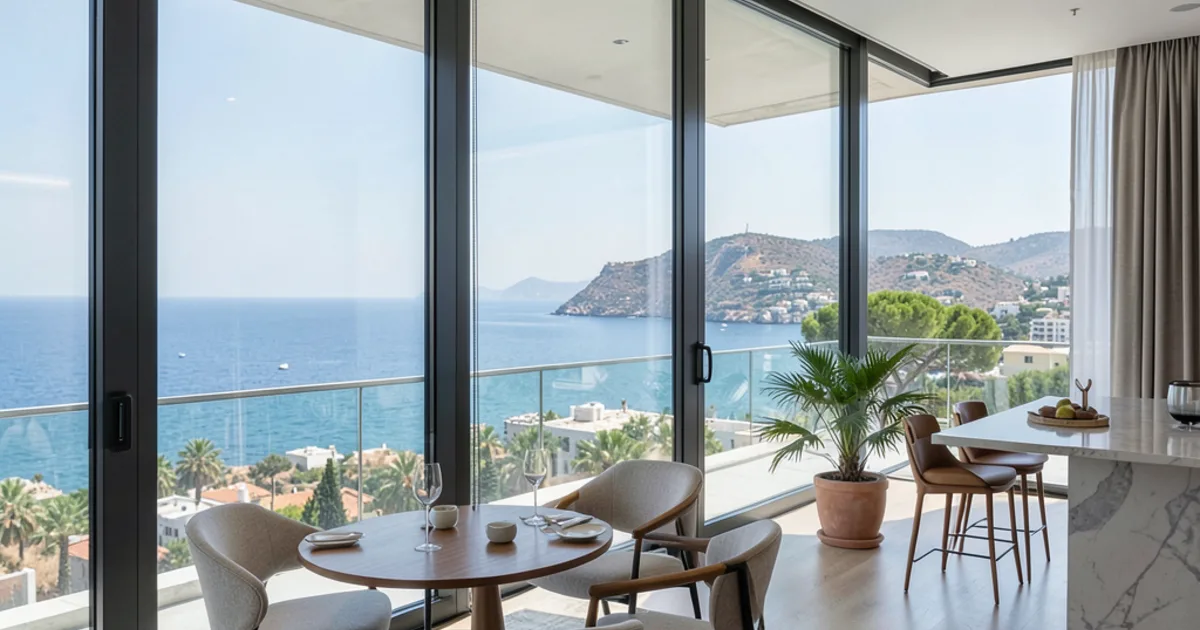
In contrast, Nof Yam offers a more contemporary and sea-oriented living experience. This area is characterized by modern high-rise buildings that provide breathtaking views of the Mediterranean. It is ideal for individuals or families who prioritize a coastal atmosphere and modern architectural design. The lifestyle in Nof Yam is more rhythmic, dictated by the proximity to the beach and the marina, offering a sense of escape from the urban bustle.
- Herzliya Pituach: Luxury villas and professional proximity.
- Nof Yam: Modern high-rises and seaside living.
- City Centre: Urban convenience and accessibility.
Legal Foundations: The Tabu and Ownership Rights
The legal framework of Israeli real estate is centered around the Tabu, which is the official Land Registry. Before any funds are exchanged, it is imperative to verify that the property is correctly registered and that the seller holds a clear title. The Tabu provides the ultimate legal certainty regarding ownership, liens, and any existing encumbrances on the land. Without a thorough check of the Tabu, a buyer risks entering into a transaction fraught with legal vulnerabilities.
Ownership in Israel can sometimes involve complex structures, particularly in older developments or specific types of land. It is vital to distinguish between land that is fully registered in the Tabu and land that may be held under different legal arrangements. A local legal expert will be able to trace the chain of title to ensure that the property is being transferred without any hidden claims. This due diligence is a non-negotiable step in the acquisition process.
Furthermore, the role of a lawyer in reviewing the binding memorandum is critical. This document, often referred to as the contract of sale, outlines all the terms, conditions, and obligations of both parties. It must clearly state the property description as it appears in the Tabu to avoid any ambiguity. Ensuring that the contract includes necessary protections, such as warranties regarding the physical state of the property, is essential for a secure transaction.
- Verification of title through the Tabu land registry.
- Identification of any liens or existing mortgages.
- Detailed review of the binding memorandum by a legal professional.
Navigating Acquisition Taxes: Mas Rekhisha and Mas Shevah
Understanding the tax landscape is vital for calculating the true cost of property acquisition. The primary tax for buyers is the Mas Rekhisha, or purchase tax. This tax is calculated based on a tiered structure that varies depending on the total value of the property and the buyer's status. For many, this represents a significant upfront cost that must be factored into the initial budget. It is important to consult with a tax professional to ensure you understand your specific obligations.
On the other side of the transaction is the Mas Shevah, which is the capital gains tax. This tax is generally the responsibility of the seller and is levied on the profit made from the sale of the property. While the buyer does not directly pay this tax, it can influence the negotiation process and the final sale price. In certain circumstances, such as a primary residence, there may be exemptions or reductions available, but these are subject to strict government criteria.
Beyond these primary taxes, one should be aware of any potential municipal fees or administrative costs associated with the transfer of ownership. Accurate financial planning requires a holistic view of both the purchase price and these secondary fiscal requirements. Failing to account for these can lead to liquidity issues during the closing stages of the deal. Always ensure that your financial advisor is well-versed in the current Israeli tax regulations to mitigate these risks.
- Mas Rekhisha: The tiered purchase tax paid by the buyer.
- Mas Shevah: Capital gains tax typically paid by the seller.
- Importance of professional tax consultation.
Long-term Financial Obligations: Arnona and Maintenance
Owning property in Herzliya involves ongoing costs that extend far beyond the initial purchase. The most significant of these is the Arnona, which is the municipal property tax. Arnona is calculated based on several factors, including the size of the property, its location, and its intended use (residential vs. commercial). Because Herzliya is a premium municipality, the Arnona rates reflect the high level of services and infrastructure provided to residents.
In addition to municipal taxes, residents of luxury buildings and gated communities must account for building maintenance fees. These fees cover the upkeep of common areas, security services, landscaping, and the maintenance of shared amenities like pools or gyms. In high-end areas like Pituach or modern towers in Nof Yam, these costs can be substantial. It is prudent to request the recent history of these fees from the current owner or the building management before finalizing a purchase.
Effective long-term budgeting requires a clear understanding of these recurring expenses. One should also consider potential costs related to property insurance and periodic repairs. While the prestige of Herzliya ensures a high standard of living, it also necessitates a commitment to maintaining that standard through consistent financial planning. Anticipating these outflows will ensure that your ownership experience remains enjoyable and stress-free.
- Arnona: Municipal tax based on size and usage.
- Building maintenance: Fees for common areas and amenities.
- Ongoing costs: Insurance and periodic upkeep.
Securing Financing: Understanding the Mashkanta
For many buyers, acquiring property in Herzliya involves securing a mortgage, known locally as a Mashkanta. The Israeli mortgage market is sophisticated, offering various structures including fixed-rate, variable-rate, and floating-rate options. Choosing the right Mashkanta requires a deep understanding of how interest rates and repayment terms will affect your long-term cash flow. It is highly recommended to work with a specialist who can compare offers from various banks.
The approval process for a Mashkanta can be rigorous, as banks will conduct a thorough assessment of your financial stability. This includes reviewing your income, existing debts, and the value of the property being purchased. Banks typically require a substantial down payment, and the amount can vary depending on the type of property and the buyer's profile. Having your financial documentation organized and ready is a key step in speeding up this process.
Once a mortgage is approved, the bank will conduct its own due diligence, often involving a professional appraisal of the property. This ensures that the collateral value aligns with the loan amount. It is also important to be aware of the potential for interest rate fluctuations if you opt for variable products. A balanced approach, combining different types of interest structures, is often used by experienced buyers to mitigate risk.
- Mashkanta: The Israeli mortgage system.
- Diverse options: Fixed, variable, and floating rates.
- Requirement for substantial down payments and bank appraisals.
The Transaction Lifecycle: From Offer to Possession
The journey from finding a property to receiving the keys is a structured process that requires precision. It begins with the submission of a formal offer, which, once accepted, leads to the drafting of the binding memorandum. This memorandum is the legal cornerstone of the transaction, outlining every detail of the sale. It is during this stage that your lawyer plays their most vital role, ensuring that your interests are fully protected within the contract.
Following the signing of the memorandum, there is often a period of due diligence where the buyer's legal and technical experts verify all aspects of the property. This may include checking municipal records for building permits or inspecting the physical structure. Once all conditions are met, the transaction moves toward the closing phase. This involves the transfer of funds, the payment of Mas Rekhisha, and the formal registration of the property in the Tabu.
The final stage is the handover of possession, where the keys are transferred and the property is officially yours. It is essential to ensure that all utility transfers and municipal account updates are handled smoothly during this transition. While the process can feel overwhelming, following a disciplined step-by-step approach ensures that no critical detail is overlooked. Professional representation is the best way to navigate these various stages with confidence.
- The initial offer and the binding memorandum.
- The due diligence and verification period.
- Closing: Fund transfer, tax payment, and Tabu registration.
Settling In: Integration and the Local Lifestyle
Acquiring property is only the first step; truly enjoying Herzliya requires integration into the local community. For many international arrivals, learning the language is a fundamental part of this journey. Enrolling in an Ulpan, a Hebrew language intensive program, can provide the necessary tools to navigate daily life and interact with neighbors. While many professionals in Herzliya speak English, Hebrew is the key to deep community integration.
The lifestyle in Herzliya is defined by its high-quality amenities and educational opportunities. The city boasts excellent schools and childcare facilities, making it an ideal location for families. Additionally, the proximity to the beach, the marina, and various shopping and dining districts provides endless leisure options. Engaging with local clubs, community centers, or professional networks can significantly enhance your experience of the city.
Living in Herzliya also means adapting to the local rhythm of life, which blends Mediterranean relaxation with professional dynamism. Understanding the local customs and the pace of the city will help you feel more at home. Whether it is enjoying a sunset at the marina or participating in local cultural events, the city offers a rich tapestry of experiences for those who take the time to engage with it.
- Language integration through Ulpan programs.
- Access to premium schools and family-oriented amenities.
- A lifestyle balance of professional activity and seaside leisure.
Risk Mitigation and Professional Due Diligence
In any real estate transaction, especially in a high-value market like Herzliya, risk mitigation must be a priority. One of the most common risks is the discrepancy between a property's physical state and its legal description. This is why technical due diligence, such as a structural inspection, is as important as legal due diligence. You must ensure that the property is built to code and that there are no hidden structural issues that could lead to future liabilities.
Another critical area of risk involves zoning and municipal planning. It is essential to verify that the property's current use aligns with the municipality's zoning laws and that any planned renovations are permitted. A property that appears perfect might be subject to upcoming municipal changes that could affect its value or usability. Consulting with the local municipality or a planning expert can provide clarity on these matters.
Finally, always protect yourself against financial risks by ensuring all payments are made through secure, legally recognized channels. Using escrow accounts or lawyer-managed accounts for large transfers is a standard practice that provides an extra layer of security. By combining legal, technical, and financial due diligence, you can significantly reduce the uncertainty inherent in real estate acquisitions and protect your long-term investment.
- Technical due diligence: Structural and physical inspections.
- Zoning verification: Checking municipal planning and permits.
- Financial security: Using secure payment channels and escrow.
Strategic Advice for the International Investor
For international buyers, the Herzliya market offers significant opportunities but also presents unique logistical challenges. One of the first considerations should be currency management. Since property is transacted in Israeli Shekels, fluctuations in exchange rates between your home currency and the Shekel can impact your total investment cost. Working with financial experts who understand international transfers is highly recommended.
Furthermore, managing a property from abroad requires a reliable local presence. Whether you are an investor looking for rental income or a second-home owner, you will need a trusted local agency or property manager to handle maintenance, tenant relations, and municipal matters. Having a local representative ensures that your property is well-maintained and that any issues are addressed promptly, preserving the value of your asset.
Lastly, maintain a long-term perspective. The prestige of Herzliya suggests that the market is driven by fundamental demand rather than short-term speculation. While the initial costs of entry, including taxes and legal fees, may be high, the stability and lifestyle benefits of the region often align with the goals of sophisticated international investors. Approach the market with patience, professional support, and a clear strategic vision.
- Managing currency risk and exchange rate fluctuations.
- The necessity of local property management.
- Maintaining a long-term, strategic investment outlook.
FAQ
How long does the property buying process in Herzliya typically take?
The timeline can vary significantly depending on the complexity of the property and the speed of the legal reviews. Generally, from the initial offer to the final registration in the Tabu, the process can take several months. Professional legal guidance is essential to ensure each stage moves forward efficiently.
Get your personalised shortlist
Listings and up-to-date info, straight to your inbox, free, no obligation.
See Herzliya homes →